
A suspicious wall, an unexplained combat bonus or a quest that refuses to advance can all point to something the game has not told you. Check what triggers it, what changes, and whether that knowledge works in your version of the game.
What counts as a game secret or hidden mechanic?
A game secret is concealed content that players can discover: an Easter egg, hidden room, optional boss, secret level, rare item or alternate ending. A hidden mechanic is a rule that changes play without being fully explained, such as an input window, an enemy's reaction to sound or a combat modifier. A secret can also depend on a hidden mechanic.
| Type | What to look for | What a successful test reveals |
|---|---|---|
| Easter egg | Odd dialogue, a developer reference, a familiar image or unusual object | A deliberate joke, message or acknowledgement, with no required gameplay benefit |
| Secret area or route | A map gap, different wall texture, concealed opening or inaccessible ledge | A repeatable entrance, shortcut, collectible or optional encounter |
| Undocumented system | Unexpected damage, movement, targeting, timing or resource behaviour | A consistent rule with conditions you can describe and test |
| Progression secret | Unfinished quest, unusual NPC dialogue, cryptic item or recurring symbol | A prerequisite, quest flag, hidden objective or ending branch |
| Glitch or exploit | Clipping, physics failure, duplicated items or an unintended input interaction | A reproducible unintended behaviour, not automatically a designed secret |
Datamined assets and unused dialogue require a separate label. A file found in the game installation does not establish that a player can reach the content during normal play. The same distinction applies to rumours about hidden characters, cheat codes and unreleased features.
How to find secrets without following a complete walkthrough
1. Learn the ordinary rule before hunting the exception
Spend a few minutes identifying how the game teaches interaction: which surfaces can be climbed, whether walls react to attacks, how the map records rooms, what a quest marker means and which objects can move. Keep an eye on the tutorial log, controls, inventory descriptions and accessibility settings.
2. Search the edges and the gaps
In a metroidvania or dungeon, compare the explored map with nearby empty space. In an open-world game, inspect the back of buildings, cliffs, caves and routes above the obvious path. Watch for a wall that sounds different when struck, repeated symbols, unusual lighting, an unexplained camera angle or a platform placed just outside normal reach.
Follow level-design logic rather than hitting every wall. A corridor that stops short of a symmetrical room is a better lead than an ordinary surface. An unreachable ledge can indicate a future movement upgrade instead of a jump you are expected to make immediately.
3. Test interactions in a fixed order
Try the standard interaction button first. Next test the abilities already established by the game: a jump, projectile, elemental attack, spell, companion command or movable object. Change one action at a time. When a trigger works, repeat it from the same position before introducing extra inputs.
4. Revisit locations after a meaningful change
A key item, story milestone, new movement skill, character relationship or world-state change can turn an old dead end into an accessible route. Record the location and the suspected requirement. Later, compare the map, NPC dialogue and inventory with your original note.
5. Read what the game quietly preserves
Quest journals, in-world books, collectible notes, item descriptions and hand-drawn maps can preserve clues more reliably than a remembered conversation. Patterns across several documents carry more weight than a single cryptic sentence.
6. Stop at the smallest hint you need
Search for a location or missing prerequisite before searching for a final code.
The mechanics that change how you play
Movement: timing is a rule, not just a reflex
Platformers can feel forgiving even when their environments demand precise jumps. Coyote time allows a jump just after a character leaves an edge; input buffering stores a slightly early button press until the action becomes available.
Other movement questions concern dash distance, wall jumps, momentum, acceleration, collision, fall damage and animation recovery. Practise a single obstacle with a stable starting point. Keep the route constant while changing the input timing.
Combat: find the defence and damage rules
In action games, separate hitboxes from visible animations, invincibility frames from the full dodge animation, and stagger from ordinary health damage. A shield can block health loss while an attack still affects stamina; a heavy blow can interrupt an enemy without immediately defeating it. The names and thresholds differ between games.
Compare one weapon or attack at a time against the same enemy. Track stamina spent, whether the enemy flinches, how quickly it recovers and whether your follow-up attack connects.
Enemy AI deserves the same attention. Aggro range, line of sight, sound, facing direction, off-screen behaviour and attack cooldowns can explain an encounter that feels random. Break contact with the enemy, return by the same route and change a single factor such as crouching, distance or movement speed. Online opponents do not follow predictable AI rules, and network delay can complicate timing tests.
Strategy and RPG systems: optimise the action economy
In Baldur's Gate 3, a turn is constrained by resources such as an Action, Bonus Action, Reaction and movement. A missed opportunity to use a Bonus Action can matter as much as selecting a weaker spell. Terrain adds another layer: high ground, line of sight, difficult terrain and surfaces can alter the available moves and attack outcomes.
Compare two plans before committing a turn. Can a character reposition before attacking? Will moving break line of sight? Is a Reaction already committed? Does an ability require concentration or a limited resource?
Loot, crafting and progression: identify the real gate
Hidden progression can depend on a quest flag, a relationship level, a key, a season, a time window or a specific sequence of events. Loot can depend on a drop table and random-number generation (RNG). A rare reward failing to appear after a few attempts does not establish that the game has changed its rules.
Before grinding, establish whether the reward is random, guaranteed after a prerequisite, exclusive to a difficulty setting or restricted to a game edition. Crafting, skill synergies, character builds, damage types, elemental effects and status conditions deserve similar separation. A visible stat increase and an actual increase in combat performance are not the same measurement.
In Minecraft, redstone dust carries a signal and components such as repeaters, comparators, observers and pistons can create devices with different timing and input behaviour.
Invisible assistance and adaptive difficulty
Some game systems operate quietly to improve pacing or reduce frustration. Designers have described hidden health adjustments, off-screen enemy restrictions, jump forgiveness and racing-game rubber-banding. Those are design techniques, not rules that every shooter, platformer or racing game implements.
A narrow escape may come from timing, armour, an enemy's attack pattern or deliberate assistance. Treat the explanation as unverified until repeated tests or a developer account establish the mechanism for that particular game.
Real game examples: where to look and what to test
The Legend of Zelda: Tears of the Kingdom — combine abilities
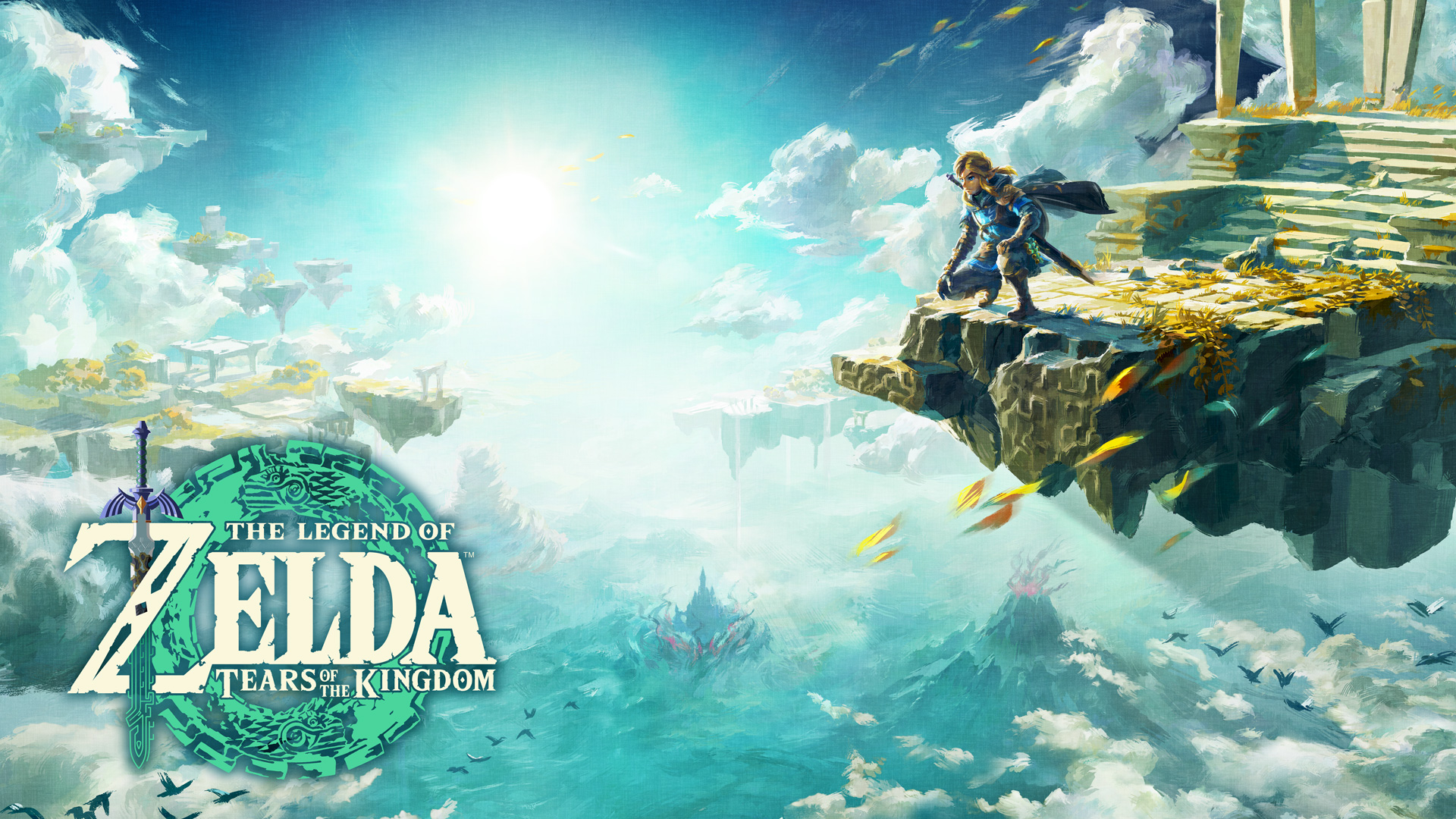
Ultrahand connects objects into structures, Fuse changes equipment by attaching materials, Ascend opens paths through suitable overhead surfaces, and Recall reverses an object's motion.
If a distant platform looks unreachable, inspect nearby movable objects and the surfaces above Link before treating it as a missing-key puzzle. Use a simple construction to test Ultrahand alignment, then use Recall on a moving object in a safe area to understand its timing. The game's limitations still apply; not every object can be combined or recalled in the same way.
Elden Ring — revisit the tutorial before copying a build
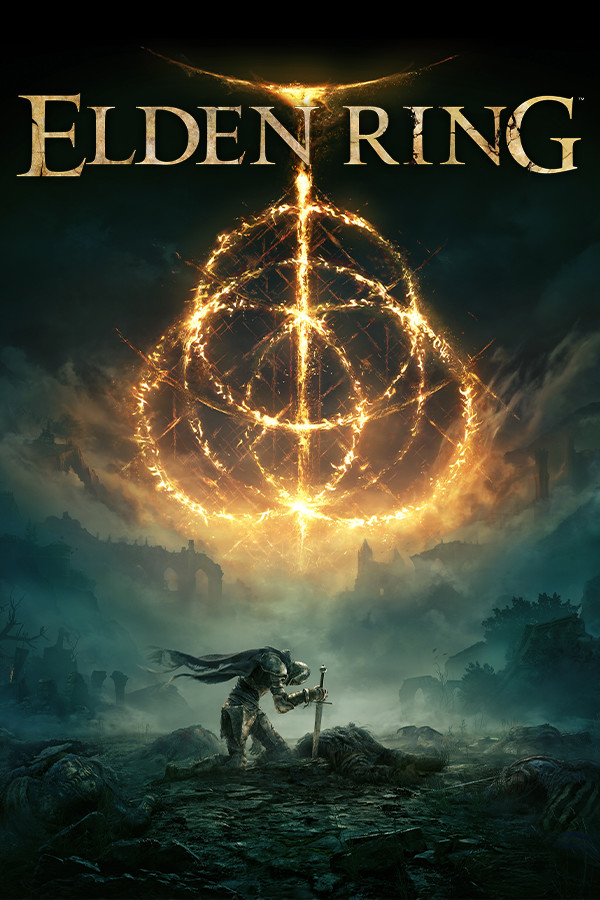
The Cave of Knowledge lies beneath the opening area near Stranded Graveyard. It introduces guarding, dodging, guard counters and stance-breaking. Sites of Grace and the map help orient further exploration. Players struggling with a boss gain more from recognising the enemy's recovery window and practising a guarded follow-up than from changing several weapons and talismans at once.
When a tactic behaves differently from a video tutorial, compare equipment, character attributes, difficulty modifiers, game version and whether the guide assumes a particular skill or item.
Stardew Valley — unlock the clue system itself
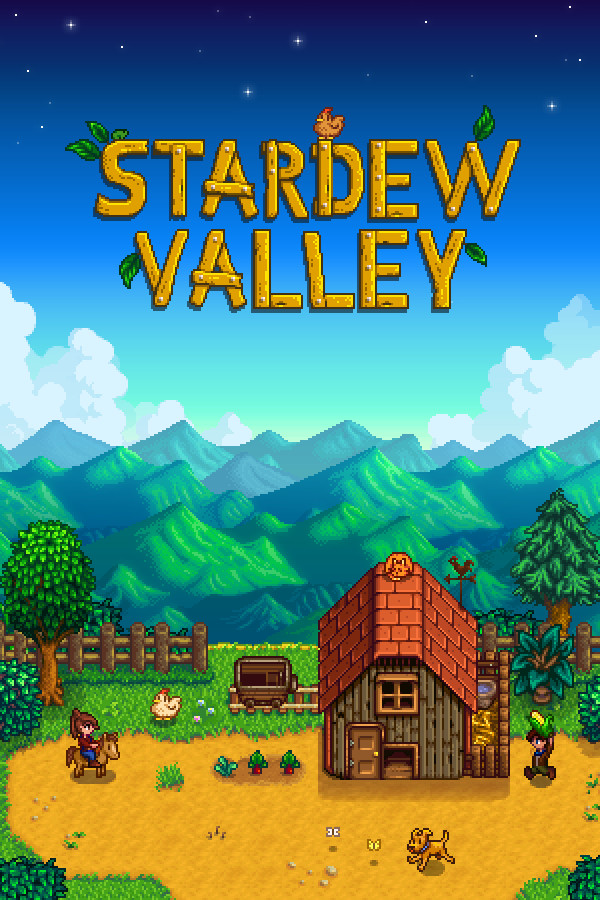
Secret Notes are not simply waiting in an ordinary starting inventory. During winter, the A Winter Mystery event introduces a Shadow Guy; following the clue leads to the Magnifying Glass, which enables Secret Notes to be found through everyday activities such as mining, fishing and chopping trees. The notes then point to further secrets.
Journal Scraps on Ginger Island belong to a related but distinct clue system.
Tunic — treat the manual as a gameplay tool
Collecting Tunic's scattered instruction-manual pages teaches its systems through maps, illustrations, marginal notes, button inputs and puzzle fragments. Small annotations can matter as much as large print. The Golden Path asks players to interpret information spread across pages; knowing that the manual is a puzzle surface is more helpful at first than seeing its complete input sequence. Recheck the pages you already own when a symbol or route seems to make no sense.
A good spoiler-light question is: “Which manual page explains the clue I have seen?” A search for the final Mountain Door solution removes the reasoning that makes the discovery distinctive.
Minecraft — test a redstone circuit in isolation
Place a lever, a short line of redstone dust and a lamp in a safe test build. Observe the powered and unpowered states. Add a repeater to test signal direction and delay; try a comparator or observer only after the baseline circuit behaves as expected.
Record whether the circuit uses Minecraft Java Edition or Bedrock Edition, along with the update version and circuit orientation. Redstone timing and block interactions have edition-specific details that can break a copied design.
Baldur's Gate 3 — look beyond the attack button
Use a familiar encounter to compare an attack from an exposed low position with one from a safer elevated tile, while checking the modifiers shown by the interface. Test whether your intended movement and Bonus Action still fit within the turn.
Conditions, class abilities and equipment can change the comparison. Keep the party composition and target stable when identifying a single cause.
Celeste and Street Fighter 6 — learn the input window

Celeste uses coyote time and input buffering to accommodate slightly late and early jumps while rewarding precise movement. Street Fighter 6 also rewards learning how its combat inputs and resource systems interact; players have documented shortcuts involving Drive mechanics. Practise in a training environment and confirm the current control layout before trusting a particular input sequence.
Frame-specific techniques should be evaluated against the platform, frame rate, controller and game patch. A video showing one successful attempt does not establish that the move is reliable under other conditions.
Path of Exile and Hades — verify the build's version

Path of Exile, developed by Auckland-based Grinding Gear Games, has a complex item economy and character-building systems. Hades combines Boons, weapon Aspects and other upgrades, with past patch notes documenting changes to interactions and prerequisites.
Record the league or patch where relevant, the exact skill or Boon names and the required items. Guides from another version can contain sound reasoning paired with obsolete numbers.
A repeatable test for a suspected hidden rule
Use a controlled test when the result affects damage, movement, enemy AI, rewards or progression.
- Set a baseline. Note the location, game version, platform, difficulty, equipment, health and available resources.
- State the hypothesis. “The enemy reacts to running, but not crouch-walking” is testable. “The enemy knows what I am doing” is not.
- Keep a control. Repeat the same route without changing the suspected input, so the ordinary response is visible.
- Change one factor. Alter movement speed, timing, equipment, direction, dialogue choice or status effect while preserving the rest of the setup.
- Repeat after a reset. Reload an appropriate checkpoint or recreate the initial state. Track successful and failed attempts rather than remembering only the successful one.
- Check persistence. Does the effect survive reloading, leaving the area or restarting the game? Does it occur in an unmodified installation?
- Assign a confidence label. Use observed once, repeatable, supported by in-game feedback or developer-documented. Keep datamined and unverified claims separate.
For random drops, a small run of attempts cannot distinguish tiny differences in drop rates. Track attempts and outcomes without assigning a precise percentage unless there is reliable data. For combat, compare several hits from the same attack and check whether critical strikes, buffs, resistances or stagger altered the result.
A compact discovery log
| Observed clue | Enemy turns towards footsteps behind a doorway |
|---|---|
| Control | Approach from the same checkpoint at ordinary walking speed |
| Variable | Repeat while crouching; keep equipment and route unchanged |
| Outcome | Record detection range, reaction and failed attempts |
| Version and mode | Platform, patch, difficulty, DLC, mods and online/offline state |
| Confidence | Observed / repeatable / in-game supported / developer-documented |
The example is a test design, not a claim that every enemy detects footsteps according to the same rule.
Find the right hint without losing the discovery
| Help level | Search for | Reveals |
|---|---|---|
| Clue only | Game title + location + “hint” | The area, symbol or ability worth checking |
| Prerequisite | Game title + quest or ability + “requirements” | The missing item, season, skill or story state |
| Mechanic explanation | Game title + mechanic + platform + patch | How the rule works, with its conditions and limits |
| Full solution | Game title + secret + “walkthrough” | Exact route, input sequence, rewards and story consequences |
Look for guides that separate hints from solutions and identify their supported platforms. A search snippet, screenshot of the final room, ending name in a headline or thumbnail showing the hidden boss can spoil more than the written instructions.
Why secrets and mechanics stop working after updates
Version, platform and game mode belong beside the solution. A PC technique may require a different input on PlayStation, Xbox or Nintendo Switch. DLC can add quest branches, while a seasonal game can replace progression and reward rules.
For players in New Zealand, the safest approach is to match the edition available on the local storefront with the edition named in the guide. Country alone does not determine the underlying gameplay rules, but an account's region, release schedule, language settings and online service can affect what content or updates are accessible. Compare the game's own version screen and official patch notes rather than relying on an upload date.
Online matches introduce another variable: latency and server-side decisions can make frame-sensitive observations less consistent than an offline training session. Keep glitches, exploits and speedrunning techniques separate from legitimate game secrets. An exploit permitted in a single-player run or a specific speedrunning category is not necessarily acceptable in ranked multiplayer.
Mods, save editors and datamined content also change what can be observed. If a claimed secret only exists in a modified build, describe it as a modded feature rather than an undocumented base-game mechanic. Before irreversible dialogue choices, endings or missable quests, use the game's supported save options and check whether the choice can be revisited.
When a secret will not trigger
| Symptom | Likely check | Better next test |
|---|---|---|
| The entrance stays closed | Key item, movement upgrade, quest flag or approach direction | Return after satisfying one identified prerequisite |
| The NPC repeats old dialogue | Relationship, time, story state or previous choice | Inspect the journal and compare a different quest stage |
| A timing trick works in a video but not in play | Controller mapping, frame timing, patch or input method | Repeat from a fixed position in a safe training area |
| The expected loot never drops | Drop table, mode, difficulty, event state or RNG | Verify eligibility before collecting more attempts |
| A build performs worse than advertised | Scaling, buffs, resistance, equipment or older balance values | Compare one item or stat change at a time |
| The guide shows content absent from the game | DLC, regional edition, mod, beta build or cut content | Confirm the released version and the source's evidence |
| An apparent shortcut clips through scenery | Collision bug or unintended exploit | Reproduce in an unmodified build and label it accurately |
Frequently asked questions
Are game secrets the same as cheats?
No. A secret is hidden content or a deliberate discovery. A cheat changes the game's rules or grants an advantage through a code, command or external tool. An exploit takes advantage of unintended behaviour.
What is the difference between an Easter egg and a hidden mechanic?
An Easter egg is a concealed message, reference or surprise. A hidden mechanic governs play: damage, movement, reactions, resources or access conditions. An Easter egg can unlock content, while a hidden mechanic can operate throughout an entire playthrough without a visible announcement.
How do I know whether a secret is real?
Look for repeatable input and outcome, a recognisable in-game clue, and agreement with the released game's version. Developer documentation or a clear in-game reward strengthens the claim. A single viral clip, datamined file or unexplained screenshot is insufficient to prove normal accessibility.
Why do guides disagree about the same mechanic?
They may cover different patches, platforms, difficulty modes or equipment. They may also be describing separate mechanics under the same informal name. Check the original test conditions, confirm the current rules and distinguish observed behaviour from the author's explanation.
Can I uncover secrets without spoiling the story?
Yes. Start with environmental clues, map gaps, item descriptions and missing prerequisites. Use location-level hints before complete walkthroughs. Keep ending guides, achievement lists and major boss names out of your search until you want those details.
Do hidden mechanics always make the game easier?
No. A concealed rule can increase difficulty, limit resources, alter enemy aggression or change encounter pacing.