
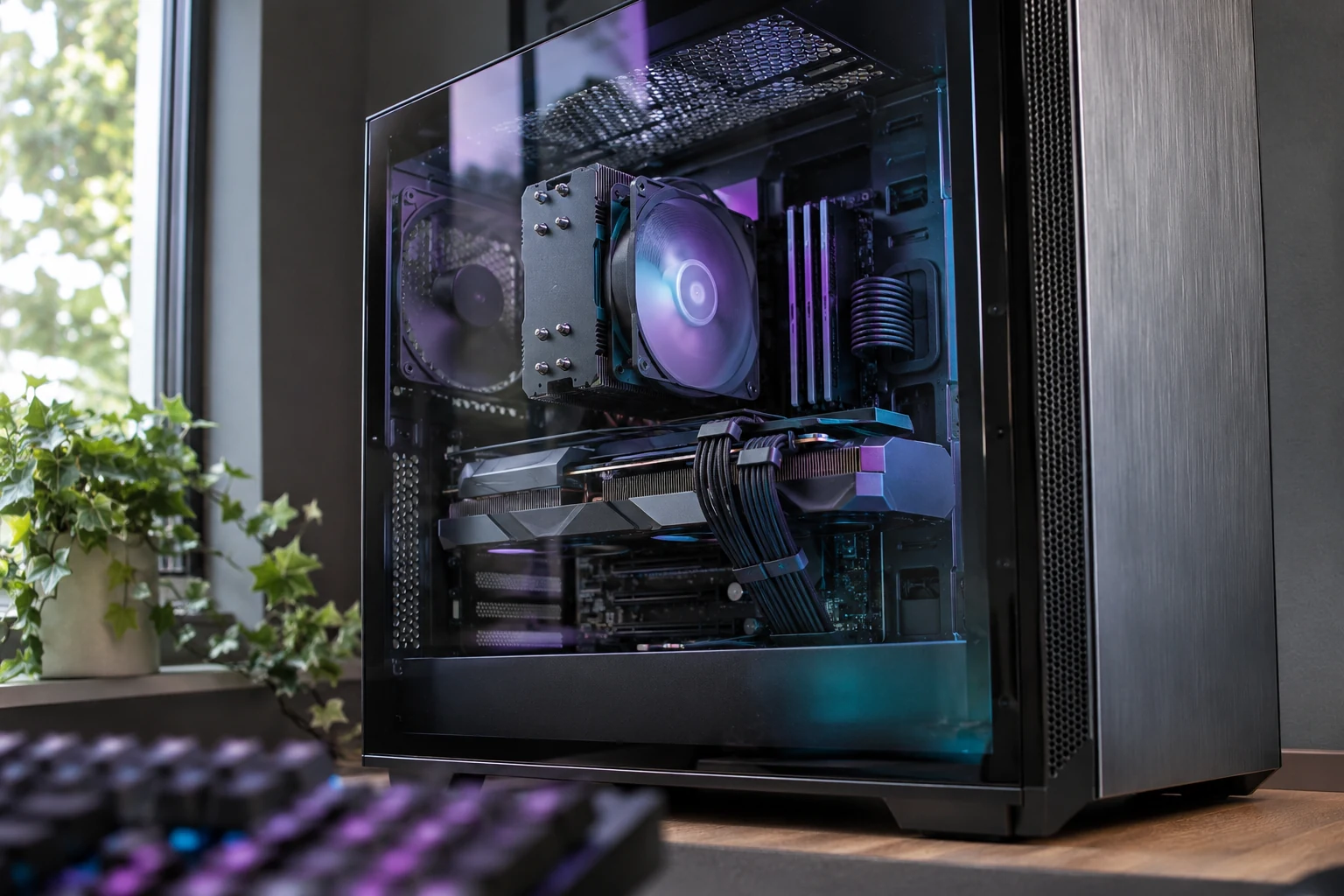
A sweeping RPG, a co-op adventure and a compact puzzle game can all earn top scores. They still ask for different hardware, hours and company. For New Zealand players, the better choice starts with those limits.
Which PC game fits your play style?
| PC game | Best match | Main trade-off |
|---|---|---|
Baldur's Gate 3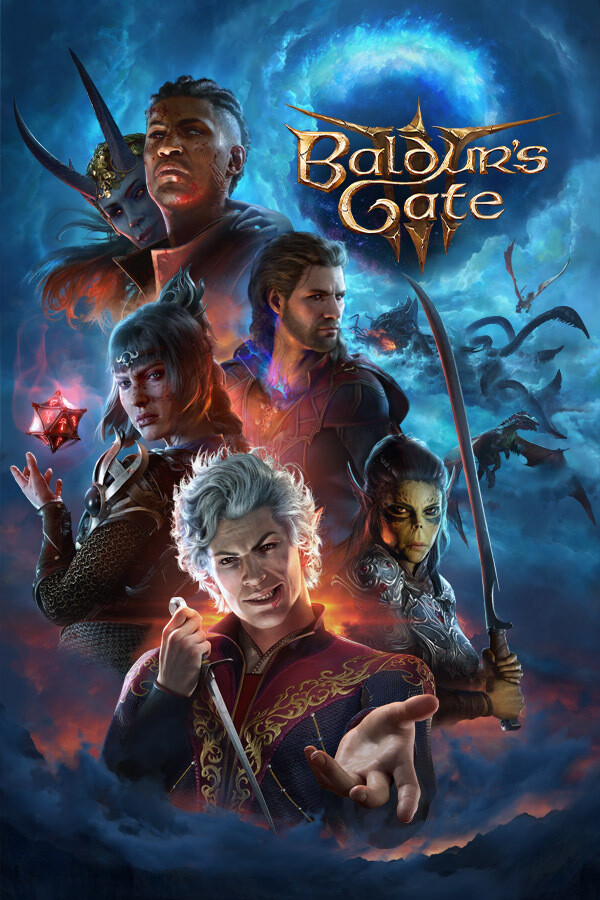 | Story choices and tactical role-playing | Long campaign and dense systems |
Clair Obscur: Expedition 33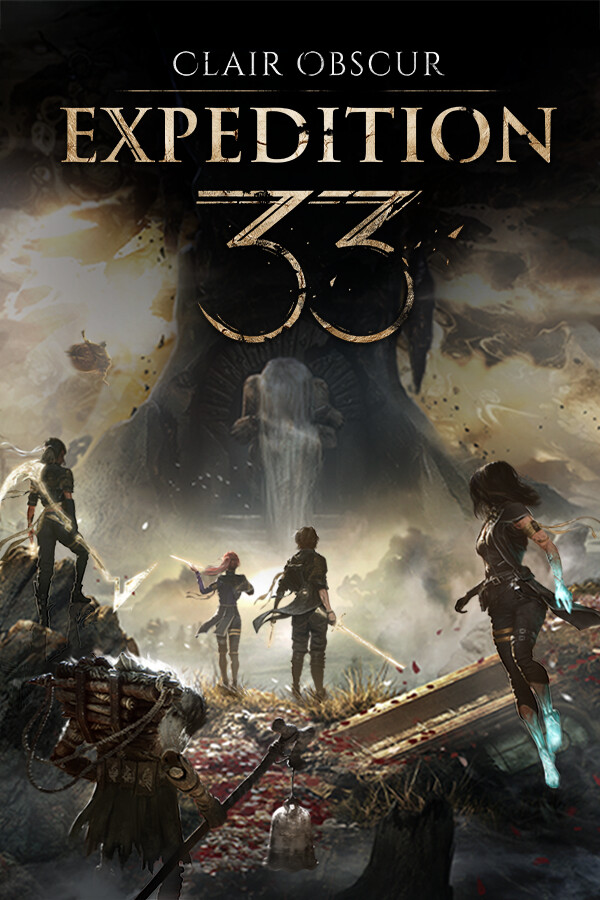 | Character-driven, turn-based RPG combat | Precise timing still matters |
Cyberpunk 2077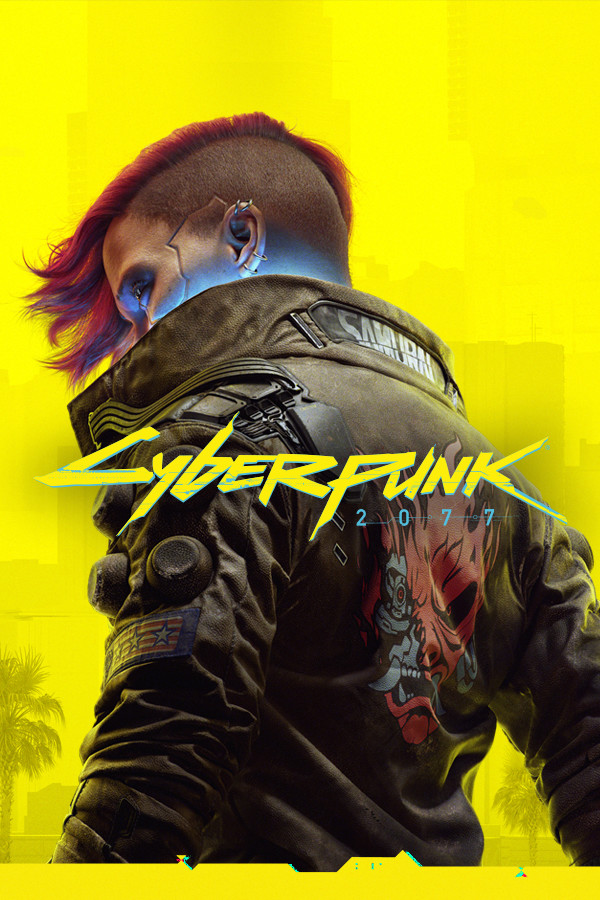 | Immersive sci-fi world and flexible builds | Demanding visual settings |
Elden Ring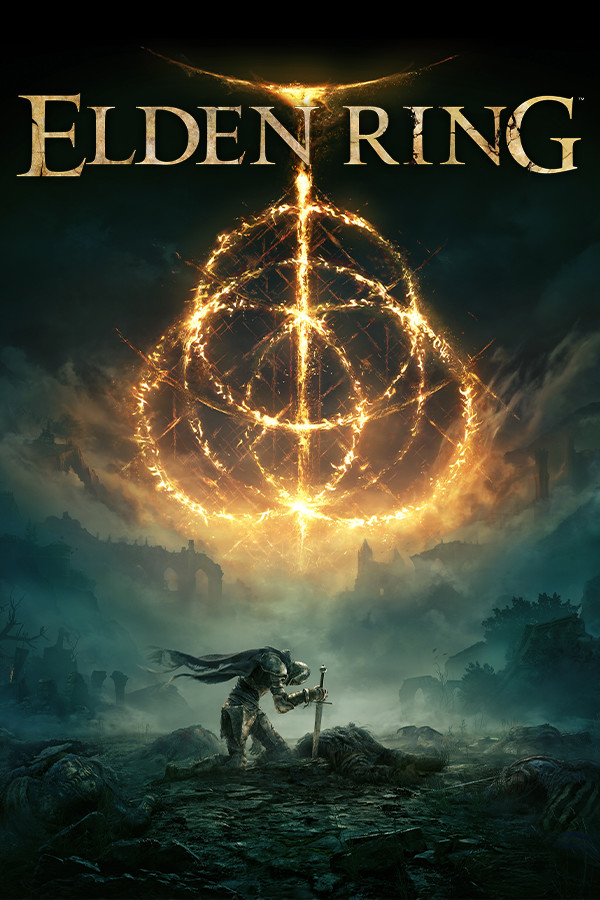 | Exploration and challenging boss fights | Little direction and frequent defeats |
Hades II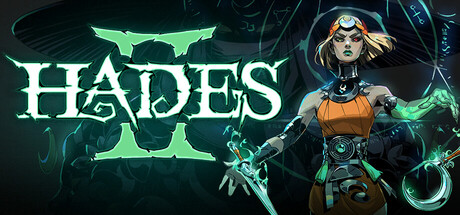 | Fast action in repeatable runs | Progression involves repeated attempts |
Hollow Knight: Silksong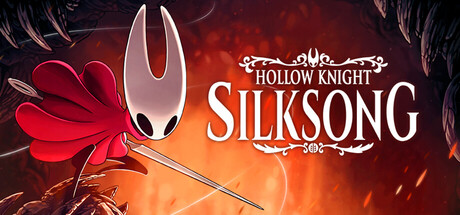 | Precise platforming and discovery | High difficulty from early on |
Balatro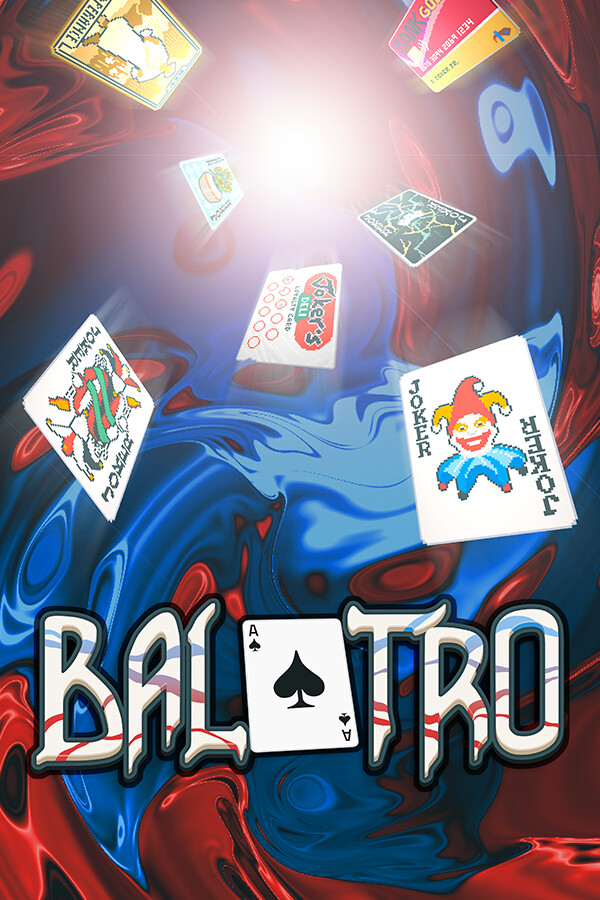 | Compact, inventive deck-building | Chance can disrupt a promising run |
Blue Prince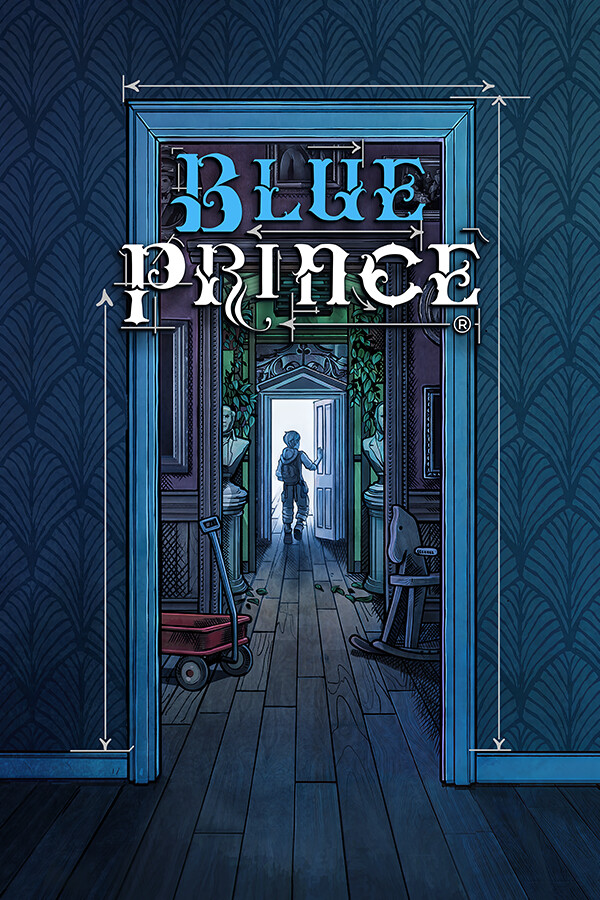 | Slow-burn mysteries and deduction | Demands patience and note-taking |
Split Fiction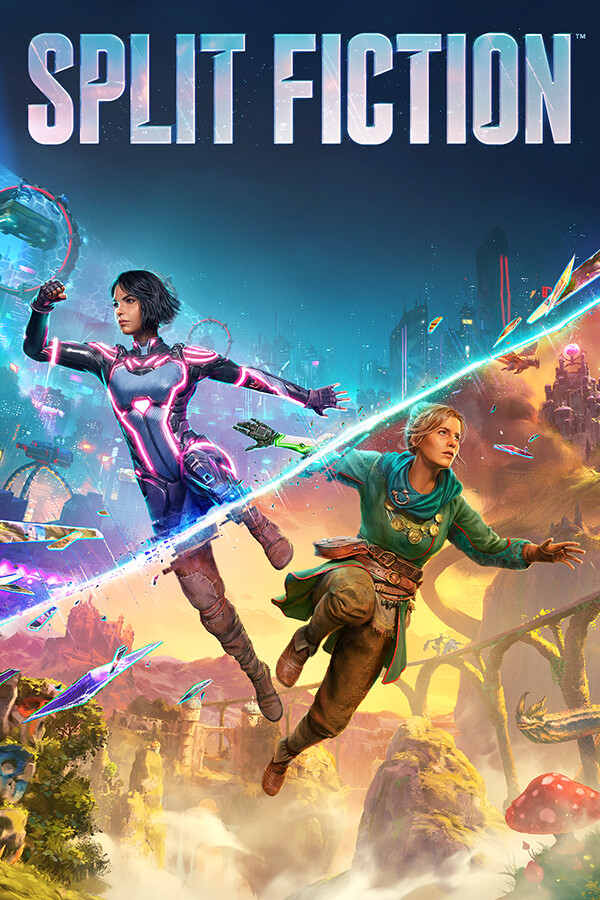 | A two-person co-op adventure | Cannot be played as a solo campaign |
Helldivers 2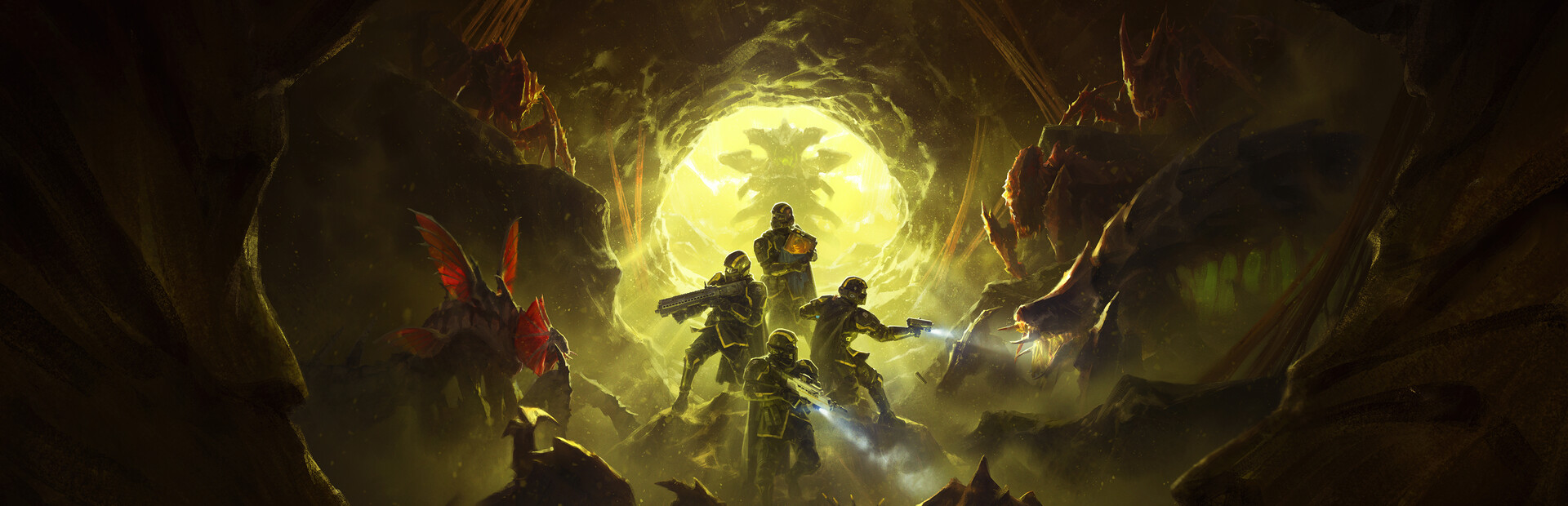 | Chaotic online squad missions | Internet connection and team coordination |
Satisfactory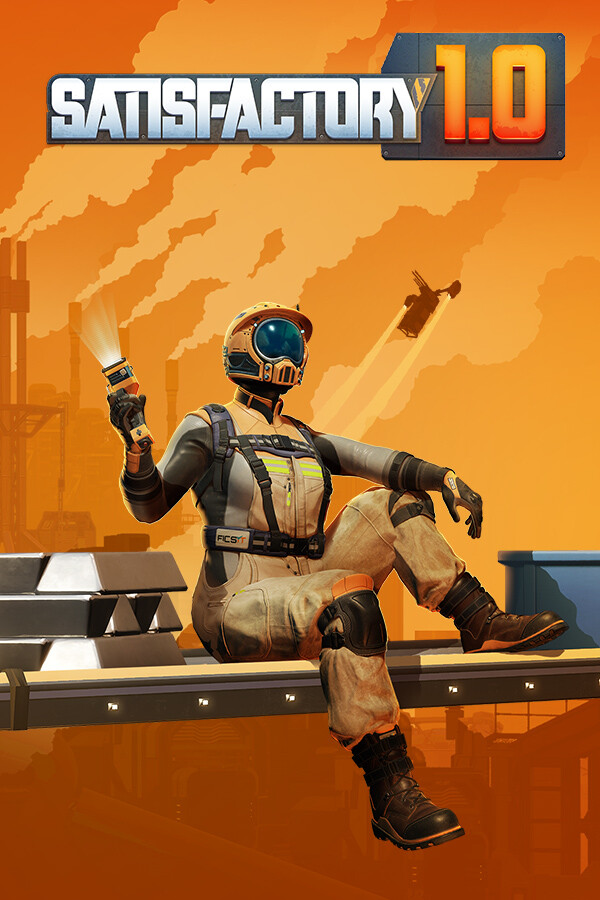 | Automation, building and optimisation | Planning can consume entire evenings |
Path of Exile 2 | Loot hunting and character builds | Early Access changes and complexity |
DREDGE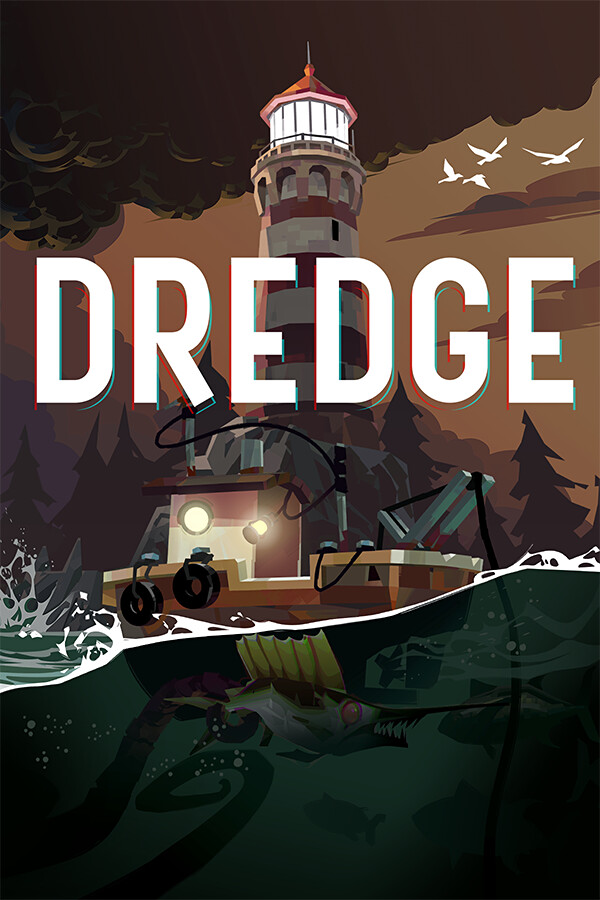 | Atmospheric solo exploration | Horror beneath the relaxing fishing loop |
Mini Motorways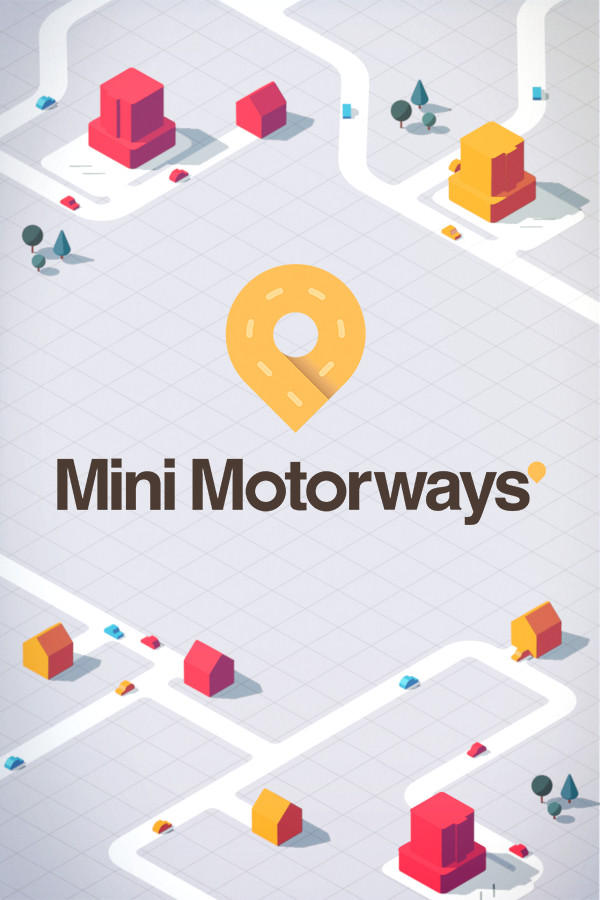 | Minimalist strategy and traffic puzzles | Failure is built into rising demand |
Story-rich PC games: choices, combat and exploration
Baldur's Gate 3 — role-playing with consequences
Genre: CRPG, fantasy, turn-based strategy. Developer and publisher: Larian Studios.
Baldur's Gate 3 lets Dungeons & Dragons rules shape the quests. Character classes, dice rolls, companions and dialogue checks matter outside combat. A locked door might yield to a rogue's tools, a spell, a distraction or an attack. Turn-based fights favour positioning and clever use of the environment over mouse speed.
Companions remember decisions, and a conversation can close off a quest. A new class or origin character changes more than the combat. Expect substantial reading, inventory work and complicated menus over a long campaign; anyone impatient with turn-based battles may prefer an action RPG.
Clair Obscur: Expedition 33 — turn-based tactics with real-time pressure
Genre: narrative RPG, turn-based combat. Developer: Sandfall Interactive. Publisher: Kepler Interactive.
Clair Obscur follows an expedition trying to stop the Paintress and the Gommage in a surreal, painted world. Battles spend action points on skills, weapons and Pictos, then ask the player to dodge or parry attacks in real time. A thoughtful party build helps, but a missed defensive cue still hurts.
Voice acting, music and strange environments hold the expedition together. Early progression can feel crowded, and limited quest tracking leaves some discoveries to memory.
Cyberpunk 2077 — a city that rewards curiosity
Genre: open-world action RPG, first-person combat. Developer: CD Projekt RED. Setting: Night City.
V's story anchors Cyberpunk 2077 in Night City, where hacking, stealth, firearms and close-range fighting support different builds. Corporations, gangs and personal side quests give the city its edge. Phantom Liberty opens Dogtown for an espionage plot full of difficult choices, but the expansion is not included with every edition.
The city can push a GPU hard. Dense streets, high-resolution textures and ray tracing all make graphics settings matter; upscaling can help trade sharpness for smoother frame rates. Check performance at your own resolution instead of assuming the most expensive preset is necessary.
Elden Ring — freedom earned through difficult fights
Genre: open-world action RPG, soulslike. Developer: FromSoftware. Publisher: Bandai Namco Entertainment.
In the Lands Between, a wrong turn might lead to a hidden cave, a new spell or a boss that seems unbeatable. Stamina and positioning matter, whether the build favours heavy melee weapons or sorcery. Elden Ring leaves room to abandon a hard fight and explore a different route. The map rarely explains which route is safest.
Quest markers rarely spell out the next step, and some bosses demand many attempts. Players wanting straightforward difficulty settings or a continuous, clearly signposted story could find it exhausting. Many players find a controller more natural for movement and dodging. Shadow of the Erdtree adds the Land of Shadow and harder encounters, but it requires the base game.
Games built around another run, another puzzle or another attempt
Hades II — responsive action with a reason to return
Genre: roguelite, action RPG. Developer and publisher: Supergiant Games.
Melinoë, Princess of the Underworld, pursues Chronos, the Titan of Time, with weapons, sorcery and boons from Greek gods. Every run changes the combinations on offer. The combat needs quick movement and timing, while characters and story threads keep failure from wiping out all momentum.
Hades II reached version 1.0 in September 2025 after Early Access. Resources and unlocks arrive thick and fast early on; players after straightforward combat may find them fussy. A run fits into one session, while the character arcs and build experiments reward repeat visits.
Hollow Knight: Silksong — beauty with sharp edges
Genre: metroidvania, action platformer. Developer and publisher: Team Cherry.
Hornet's needle strikes and agile movement turn Pharloom into a demanding obstacle course. New abilities unlock paths that were unreachable earlier, and a hidden passage can be more rewarding than a marked objective. Silksong's secrets need close exploration; its enemies make every shortcut count.
The difficulty starts early. Boss retries and exacting platform sections can halt even experienced 2D action fans. This is a game for precision, not a gentle introduction to metroidvanias. Familiarity with the original Hollow Knight helps establish the world, but Hornet's immediate purpose remains understandable on its own.
Balatro — poker hands without a traditional poker game
Genre: roguelike deck-builder, strategy. Developer: LocalThunk. Publisher: Playstack.
Balatro starts with familiar poker hands and bends them into a scoring puzzle. Jokers, enhanced cards and multipliers can turn a weak pair into a remarkable hand. You have to manage money, build combinations and adapt when the shop lacks the card you wanted. There is no opponent to bluff or real money to wager.
Runs fit into short breaks, at least until another Joker combination becomes too tempting to leave. Chance can still ruin an otherwise sensible strategy. The abstract scoring won't satisfy someone looking for a scripted story or hands-on action; it will suit players who enjoy making imperfect options work together.
Blue Prince — the mansion is the puzzle
Genre: mystery, puzzle, strategy adventure. Developer: Dogubomb. Publisher: Raw Fury.
Mount Holly rearranges itself as rooms are drafted and doors are opened. Reaching Room 46 demands spatial planning, patience and clues carried from one attempt to the next, even when the building resets. A detail in a document or an unlikely corridor can unlock the next deduction. Bring a notebook; better graphics won't solve it.
Blue Prince does not reward each attempt with a discovery. You can leave Mount Holly without visible progress, then recognise a clue hours later. Spoiler-heavy walkthroughs erase much of that satisfaction. Players who need constant rewards and clear waypoints will struggle with its pace.
Co-op, online missions and systems that keep growing
Split Fiction — a co-op game that truly needs two people
Genre: cooperative action-adventure, platforming. Developer: Hazelight Studios. Publisher: Electronic Arts.
Mio and Zoe are writers caught inside their own science-fiction and fantasy stories. Split Fiction divides challenges between them: a puzzle, platforming sequence or action scene rarely makes sense from only one player's perspective. Split-screen and online co-op keep both sides of the story visible.
There is no conventional solo campaign. The Friend's Pass supports online play for two people with one full copy, including supported cross-platform pairings, provided the required pass, accounts and internet connection are available. Local split-screen suits two people sharing a screen.
Helldivers 2 — teamwork under friendly fire
Genre: third-person shooter, online cooperative PvE. Developer: Arrowhead Game Studios. Publisher: PlayStation Publishing LLC.
A Helldivers 2 squad calls in weapons through stratagems, adjusts to shifting objectives and fights its way to extraction under pressure from alien enemies. Friendly fire puts teammates in danger too. One mistimed explosive can turn a rescue into a wipe.
The missions require an internet connection. New Zealand players joining overseas friends can run into latency and matchmaking problems, while balance patches or server changes can alter missions. Recent player feedback helps with those moving targets.
Satisfactory — build first, optimise forever
Genre: factory building, automation, exploration. Developer: Coffee Stain Studios. Publisher: Coffee Stain Publishing.
Satisfactory starts with ore and a few machines on an alien planet. Before long, smelters, constructors, conveyor belts, power plants and transport routes need to work together. Finding a bottleneck and rebuilding the line is the game, with first-person exploration and cooperative construction adding scale to the factory.
A messy factory may work until the next production tier exposes its weaknesses. The lack of fixed short-term goals will frustrate some players; people who enjoy logistics, spreadsheets and engineering puzzles can spend an evening fixing one line. Satisfactory left Early Access with its 1.0 release in 2024.
Path of Exile 2 — dark fantasy with demanding build choices
Genre: online action RPG, loot-driven dungeon crawler. Developer and publisher: Grinding Gear Games, Auckland, New Zealand.
Weapons, skills, equipment and passive choices intertwine in Path of Exile 2. Wraeclast's bosses reward pattern recognition, while loot and a player economy reward experimentation well beyond the campaign. Online co-op adds another way to tackle encounters, though the build systems take time to understand.
As of November 2026, Path of Exile 2 remains labelled Early Access on Steam. Content, balance and access terms may change. Expect complicated menus and repeated build decisions, not the settled rules of a finished offline RPG.
New Zealand-made PC games with distinctive ideas
DREDGE — fishing with something wrong beneath the surface
Genre: exploration, fishing adventure, psychological horror. Developer: Black Salt Games, New Zealand. Publisher: Team17.
DREDGE begins with an easy rhythm: catch fish, sell them, upgrade the trawler. Then the sun goes down. Poor visibility and unsettling encounters make the return trip across the archipelago tense. Each voyage also has a cargo puzzle, because catches, equipment and discoveries all need space on the boat.
The fishing is inviting; the psychological horror is not subtle for long. Anyone wanting an entirely calm simulator may be caught out by the disturbing imagery. The mystery and steady boat upgrades suit players who prefer a compact adventure. The Pale Reach and The Iron Rig are optional expansions, not chapters included in every copy of the base game.
Mini Motorways — a small map with big decisions
Genre: strategy, traffic management, puzzle simulation. Developer: Dinosaur Polo Club, Wellington, New Zealand.
Houses and destinations keep appearing on the Mini Motorways map. Drawing a road is easy; keeping all those cars moving is not. A motorway can bypass congestion, a roundabout can ease an intersection, and a separate neighbourhood route can protect a busy junction. With road pieces in short supply, each new building can spoil an otherwise tidy network.
The clean visuals make the first few minutes approachable. Rising traffic soon exposes a poor junction or badly placed route. This is neither a driving simulator nor a city builder with budgets and zoning; it is a network-design puzzle. It can be a better prospect for modest hardware than a sprawling 3D game, provided the published requirements match the PC.
What matters in PC game reviews beyond the score?
Hardware, performance and control feel
Before trusting a PC game score, compare its minimum and recommended specifications with your CPU, GPU, RAM and free SSD space. In a demanding 3D game, the relevant frame-rate test is the one at your resolution—1080p, 1440p or 4K—on hardware close to yours. A reviewer's high-end machine may conceal problems on an older PC.
Average FPS can hide uneven frame times and shader compilation stutter. Ray tracing costs rendering power, while NVIDIA DLSS and AMD FSR offer different ways to recover performance through image processing. GPU model, graphics settings and game version all change the outcome. A test on similar hardware is more useful than the label “well optimised”.
A mouse and keyboard can be handy for RPG inventories and complicated factory layouts. Controllers suit movement and dodging in some action games. For handheld play, Steam Deck compatibility needs its own check: a Verified or Playable label does not promise your preferred frame rate, control layout or online features.
Solo play, co-op and the quality of a connection
Baldur's Gate 3 offers co-op but also works alone.
Playing with friends overseas from New Zealand makes server location and cross-play support worth checking. The account or launcher requirements matter as well. High ping, packet loss and slow matchmaking can derail a session even if a hardware upgrade adds ten frames per second. Large downloads hurt on capped or slow broadband.
Price in NZD, DLC, subscriptions and Early Access
A review quoting US dollars won't show the final price in New Zealand. Steam displays NZ$ pricing, with local sales and promotions that change over time. Before comparing prices, check whether the listing covers the base game or complete edition and whether DLC, season passes or cosmetic purchases cost extra.
Steam, Epic Games Store, GOG and publishers' own launchers have different account and feature requirements. PC Game Pass in New Zealand offers a changing catalogue while a subscription remains active, not permanent ownership. Early Access is a separate gamble: balance, available content and roadmaps can change before a full release.
Under Steam's standard game-refund terms, eligible game purchases can generally be refunded within 14 days and with less than two hours of play. Exceptions and New Zealand legal rights still apply. Other storefronts have their own policies, so a refund should not be assumed.
Content ratings and accessibility
New Zealand's Classification Office explains the legal supply rules for age-restricted games. Many downloadable or online-only titles lack a separate NZ classification; international ratings and store warnings then matter for parents. Violence, horror, gambling-like imagery and player-to-player interactions are worth checking rather than trusting a genre label.
Subtitles, colour-vision options, key remapping, camera controls, motion blur and timing assistance may determine whether a game is playable. Mandatory parries or rapid reactions can shut out someone who otherwise loves the setting and story.
PC Games: common questions
Which PC games are suitable for an older laptop?
Balatro and Mini Motorways have comparatively modest visual demands; Hades II is another candidate for an older laptop. None is guaranteed to run on an arbitrary machine. Compare the game's operating system, GPU, RAM and storage requirements with the actual laptop, then look for tests from similar integrated or dedicated graphics.
What should two friends play together?
Split Fiction is built for two players, with local and online options. Helldivers 2 offers repeatable action for a group, Satisfactory lets friends build together, and Baldur's Gate 3 makes room for shared tactical decisions. Across platforms, cross-play and account requirements can settle the choice before gameplay does.
Are there worthwhile free PC games in New Zealand?
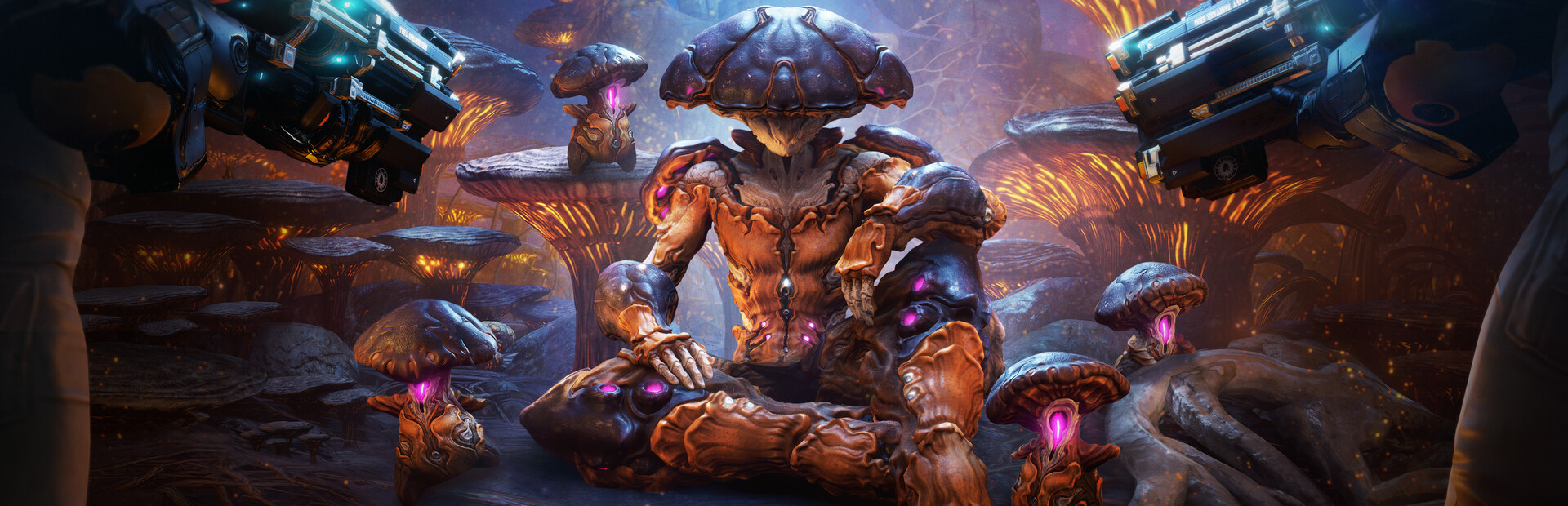
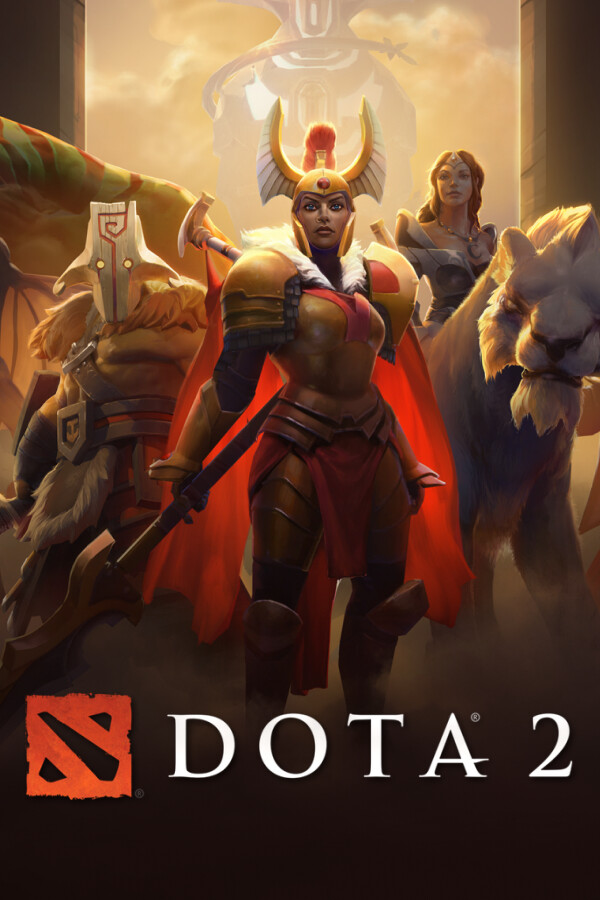
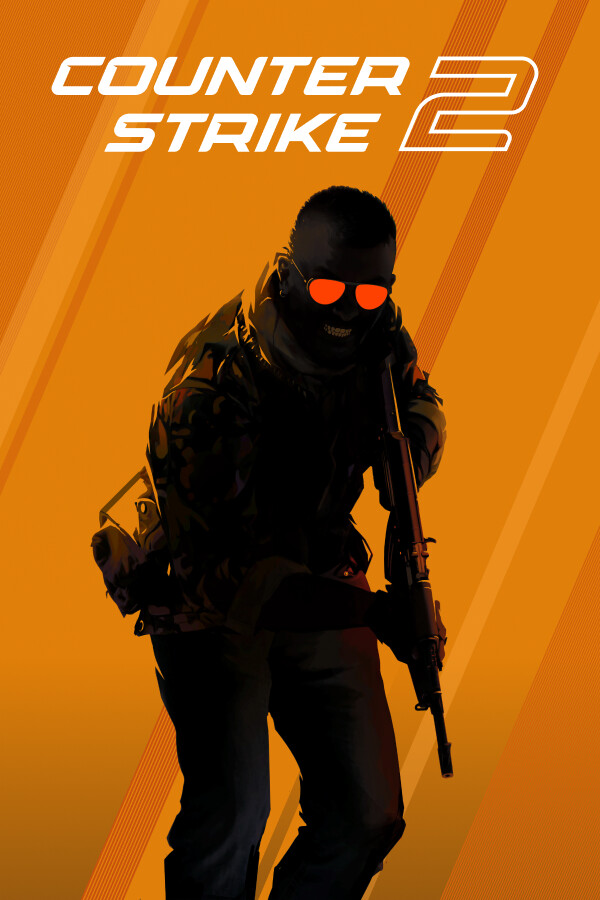
Path of Exile, Warframe, Counter-Strike 2 and Dota 2 are established free-to-play titles on Steam. They span action RPGs, cooperative shooting, competitive first-person combat and MOBAs, with optional purchases in their business models. Do not confuse the original Path of Exile with Path of Exile 2's Early Access terms.

How much should review scores influence a PC game purchase?
Metacritic and OpenCritic combine professional scores, while Steam user reviews can raise specific issues with launchers, patches and performance.