
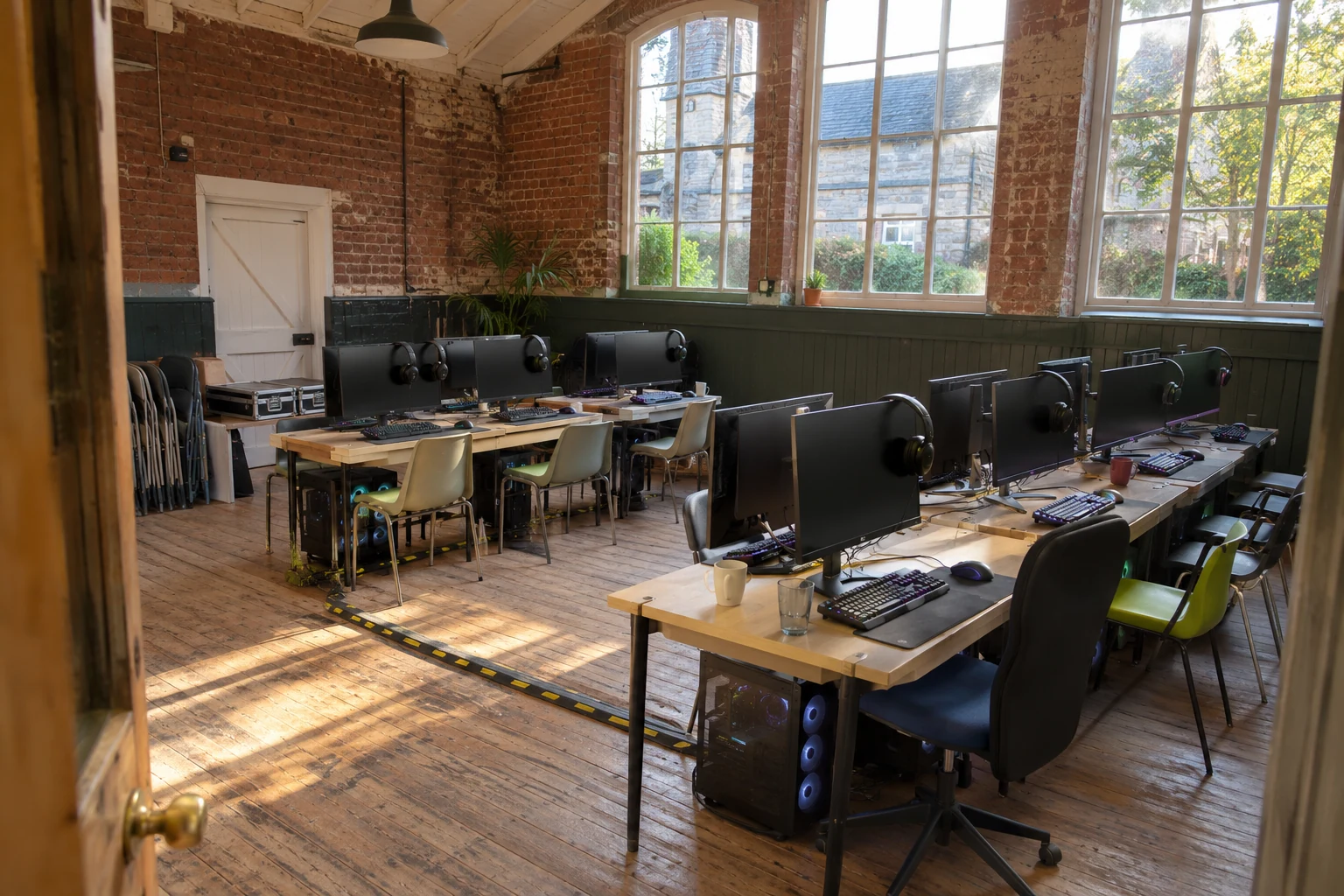
For players in Aotearoa New Zealand, a useful community needs more than a familiar game logo or a large Discord member count. It needs people who turn up, a culture that suits you and a way to take part without feeling like an outsider.
Gaming communities bring together casual players, ranked teams, stream viewers, collectors, modders, game developers and people who simply enjoy talking about games. They can live inside a Minecraft world, a Discord voice channel, a Steam group, a university club or a room full of consoles at a LAN event. The common thread is repeated interaction: people recognise each other, share knowledge and create reasons to return.
In the 2025 NZ Esports survey, 80% of respondents said they played with friends, family or a community. That figure describes the survey's participants, not every New Zealand gamer.
What makes a gaming community different from a multiplayer lobby?
A multiplayer lobby brings strangers together for a match. A community gives those players a shared place and a reason to recognise one another later. Someone might organise Friday raids, teach a newcomer a Tekken matchup, maintain a Minecraft server, host a racing league or moderate a channel where people share clips and jokes. These small routines turn individual sessions into a social space.
Different groups are built around different kinds of participation:
- Casual social groups centre on friendship, co-op sessions, party games and relaxed voice or text chat.
- Competitive teams and esports clubs organise ranked play, scrims, coaching, tournaments and roles within a roster.
- Game-specific communities develop deep knowledge of one title, from strategy and patch changes to fan creations.
- Creator and fandom spaces connect streamers, artists, cosplayers, modders, reviewers and the audiences who follow their work.
- Local clubs and LAN groups bring online friendships into supervised venues, campuses and public events.
- Game-development communities focus on building, testing and sharing games rather than winning matches.
Some people want a reliable squad for VALORANT; others want a quiet place to talk about Animal Crossing or learn how a game is made. Neither is more authentic.
Where New Zealand gamers find communities
New Zealand has its own mix of established forums, local clubs and Oceania-wide online groups. A large international community can be excellent for game knowledge, while a smaller NZ or AU/NZ group can make regular sessions easier to organise around local evenings.
| Community route | Where to look | Best fit | What to verify |
|---|---|---|---|
| NZ esports directories | New Zealand Esports Federation community directory | Game-specific Discord groups, leagues and tournament contacts | Recent activity, age policy and whether the listed invite still works |
| Forums and discussion | GP Forums, r/nzgaming and Steam Community | Finding local players, hardware advice, game discussion and long-running communities | Dates of recent posts and whether members actually organise sessions |
| Discord groups | Discord's discoverable servers, NZ and OCE community pages | Voice chat, looking-for-group channels, regular co-op and multiplayer | NZ-friendly hours, moderation and the games people currently play |
| University and social clubs | UC Gaming Guild, Auckland University Esports Club, AUT Gaming Society and TCOSY | Face-to-face friendships, social nights, LANs and campus competitions | Membership eligibility, venue rules and event schedules |
| Events and local organisers | Armageddon Expo, LAN communities and accredited tournament organisers | Meeting people beyond a screen, watching matches and trying a new scene | Venue, cost, accessibility, age limits and organiser details |
| Creative communities | KiwiJam, NZGDA and local game-development clubs | Game design, art, programming, playtesting and collaborative projects | Whether the activity welcomes beginners and non-programmers |
Discord, Steam, Reddit and NZ forums serve different purposes
Discord works well for live coordination: text channels, voice rooms, scheduled sessions and LFG (looking for group) posts. It distinguishes small private friend servers from community servers and publicly discoverable servers. Not every active group appears in public discovery, and the number of registered members says little about who will be free at 8 pm NZ time. Groups such as ZSU Gaming serve AU/NZ players across games including Squad, ARMA 3, Space Engineers and Star Citizen. The Aotearoa New Zealand server combines gaming with wider Kiwi conversation. Both offer a different experience from a single-game competitive team.
Steam Community is useful for PC player groups, discussions, events and the history of locally hosted servers. Get Some NZ illustrates that history, including older New Zealand gaming networks and the shift towards Discord. Reddit is better for discovering conversations and asking who plays a particular game or time slot; r/nzgaming regularly surfaces the practical need for teammates rather than another general chatroom. GP Forums, with roots in New Zealand's Gameplanet community, still provides discussions covering PC, PlayStation, Xbox, Nintendo, Counter-Strike, Battlefield and Dota 2.
News-and-community sites such as GetRekt connect game conversation with a wider NZ/AU audience. Streaming spaces on Twitch and YouTube offer another doorway through shared creators, live chat and community events. A stream's audience is not automatically a close-knit group, though; recurring player interaction is the more useful signal.
Game-specific communities: what your favourite title changes
A five-player tactical squad needs dependable scheduling and clear communication.
Competitive shooters and team games
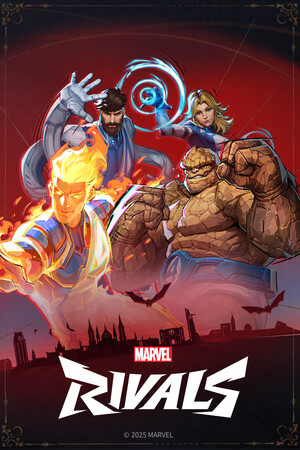
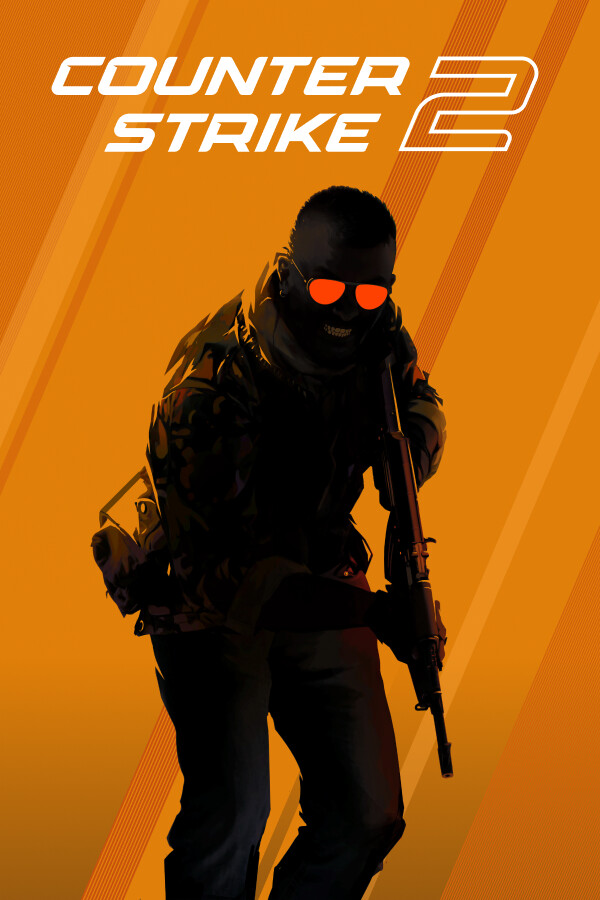
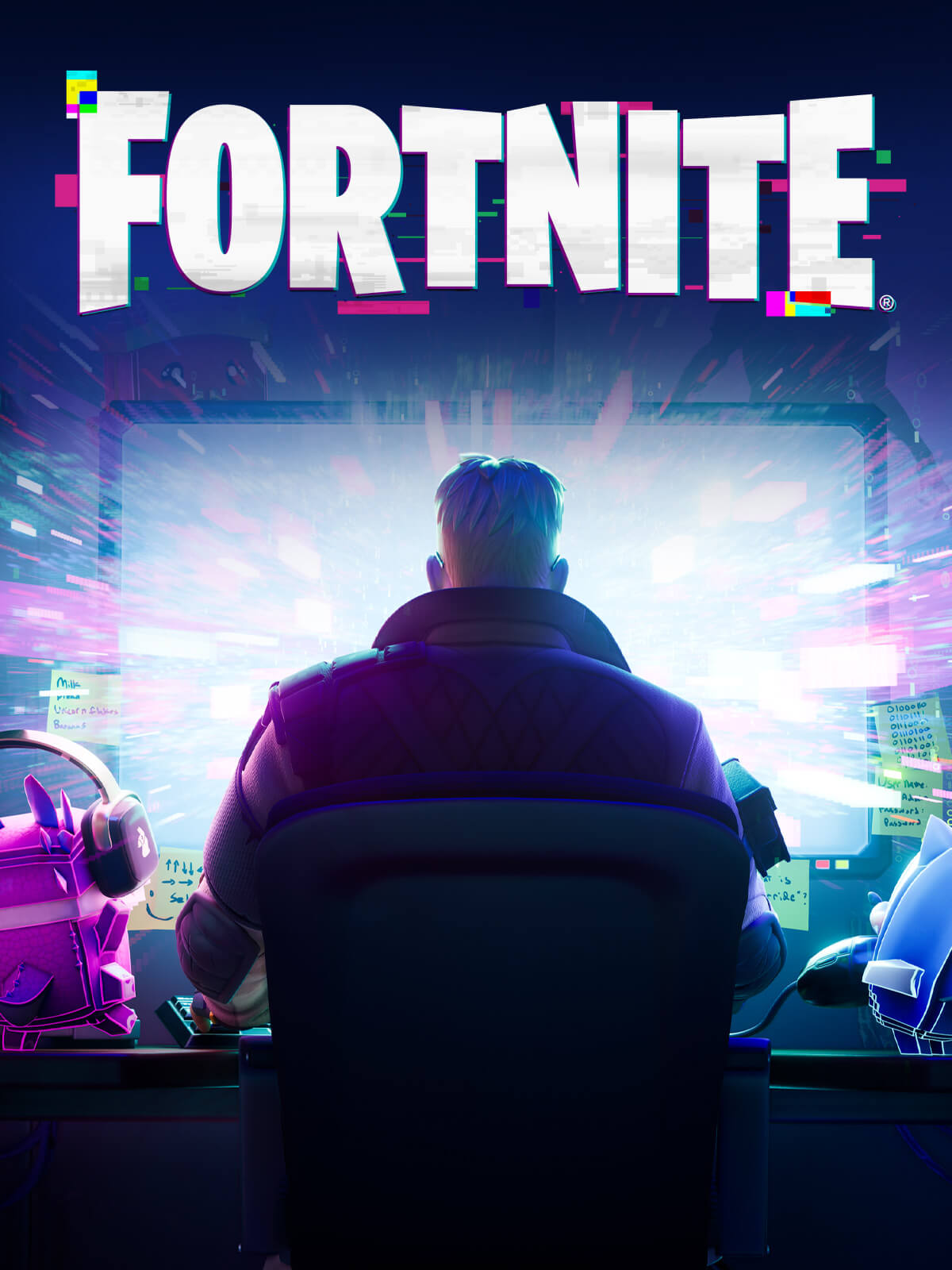
Counter-Strike 2 (CS2), VALORANT, Call of Duty, Overwatch, Fortnite, Rocket League and Marvel Rivals attract a mix of casual queues, ranked groups and organised competition. The NZ Esports directory lists CS2 OCE and the NZ Call of Duty Social League. Competitive players should look for a group with a stated skill range, practice times and realistic expectations around attendance. A relaxed player may prefer a community that separates casual channels from ranked-team recruitment.



Fighting games and local rivals
Tekken, Street Fighter and Super Smash Bros. are especially suited to recurring local meet-ups: playing the same opponent again lets people learn habits, share advice and see progress. The directory names NZ Tekken, while Flightless Esports in Waikato and Respawn Esports Centre in Wellington appear in NZ Esports' tournament-organiser listings. In Christchurch, the Christchurch Fighting Game Community has collaborated with UC Gaming Guild events.
Co-op, sandbox, strategy and simulation
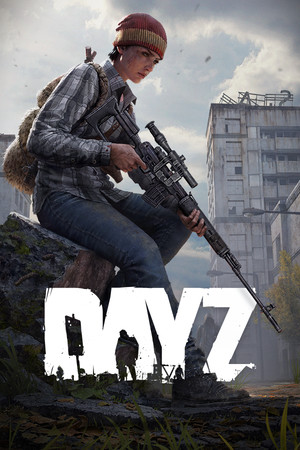
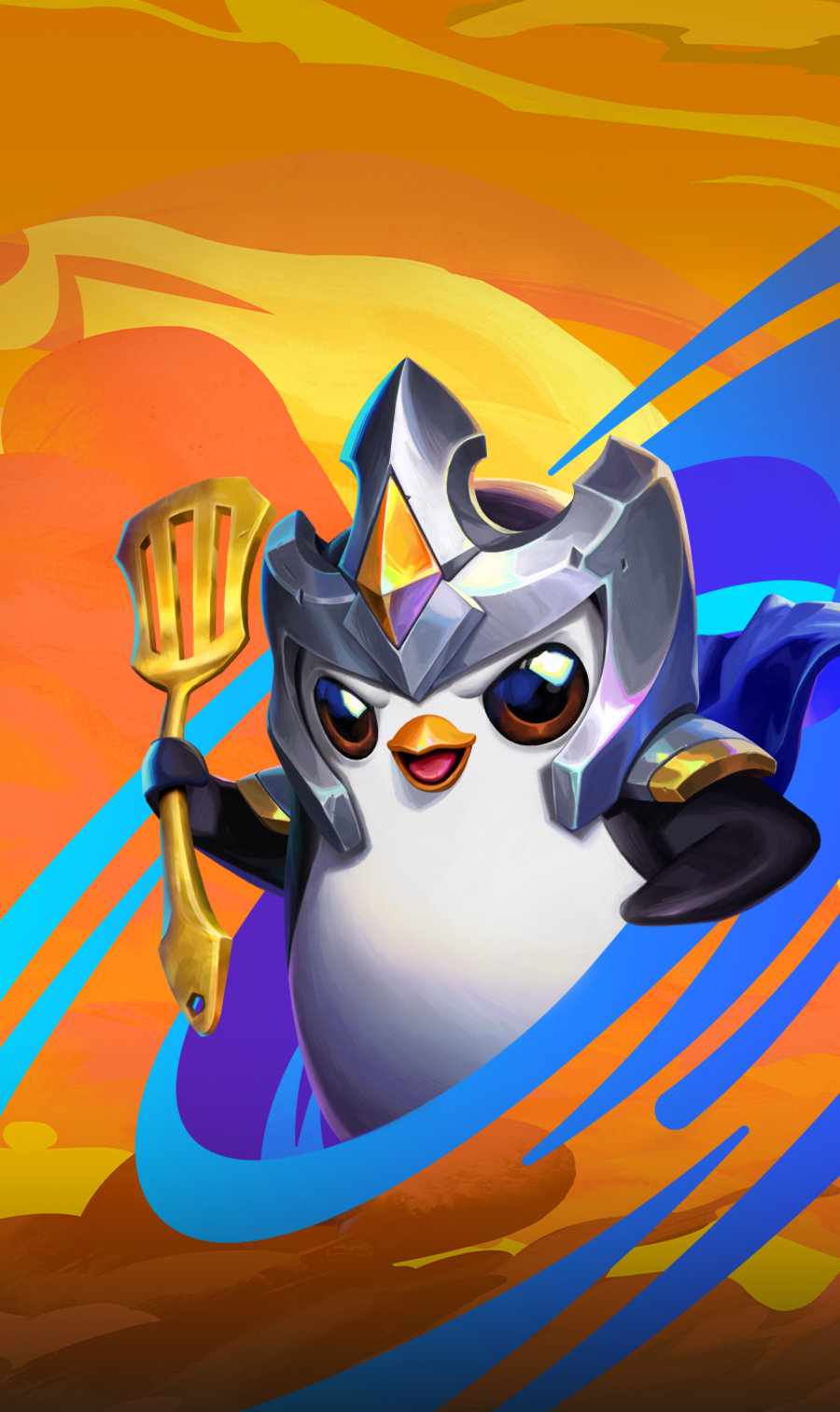
Minecraft, Roblox, Rust, DayZ and survival co-op games reward groups that agree on server rules, building permissions and how conflict is handled. League of Legends, Dota 2 and Teamfight Tactics lean towards strategy talk, team roles and patch discussions. Racing communities are another distinct branch: Kiwi Sim Racing, ASRNZ, Virtual Racing Aotearoa, Sim Motorsport New Zealand and Supercars NZ appear in the NZ Esports directory around iRacing and Assetto Corsa. Their calendars, racing etiquette and technical setups matter more than a generic promise of being friendly.

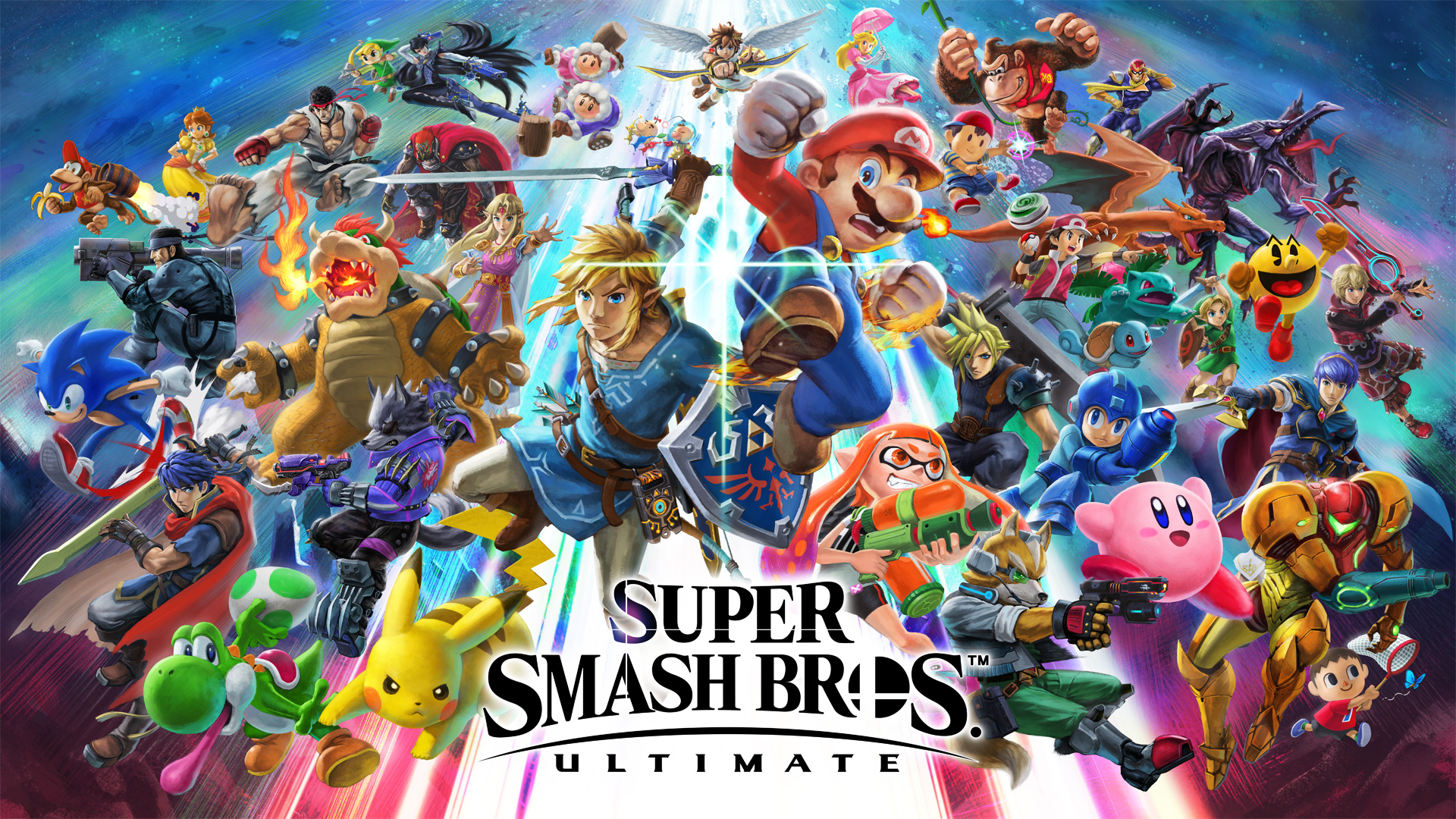
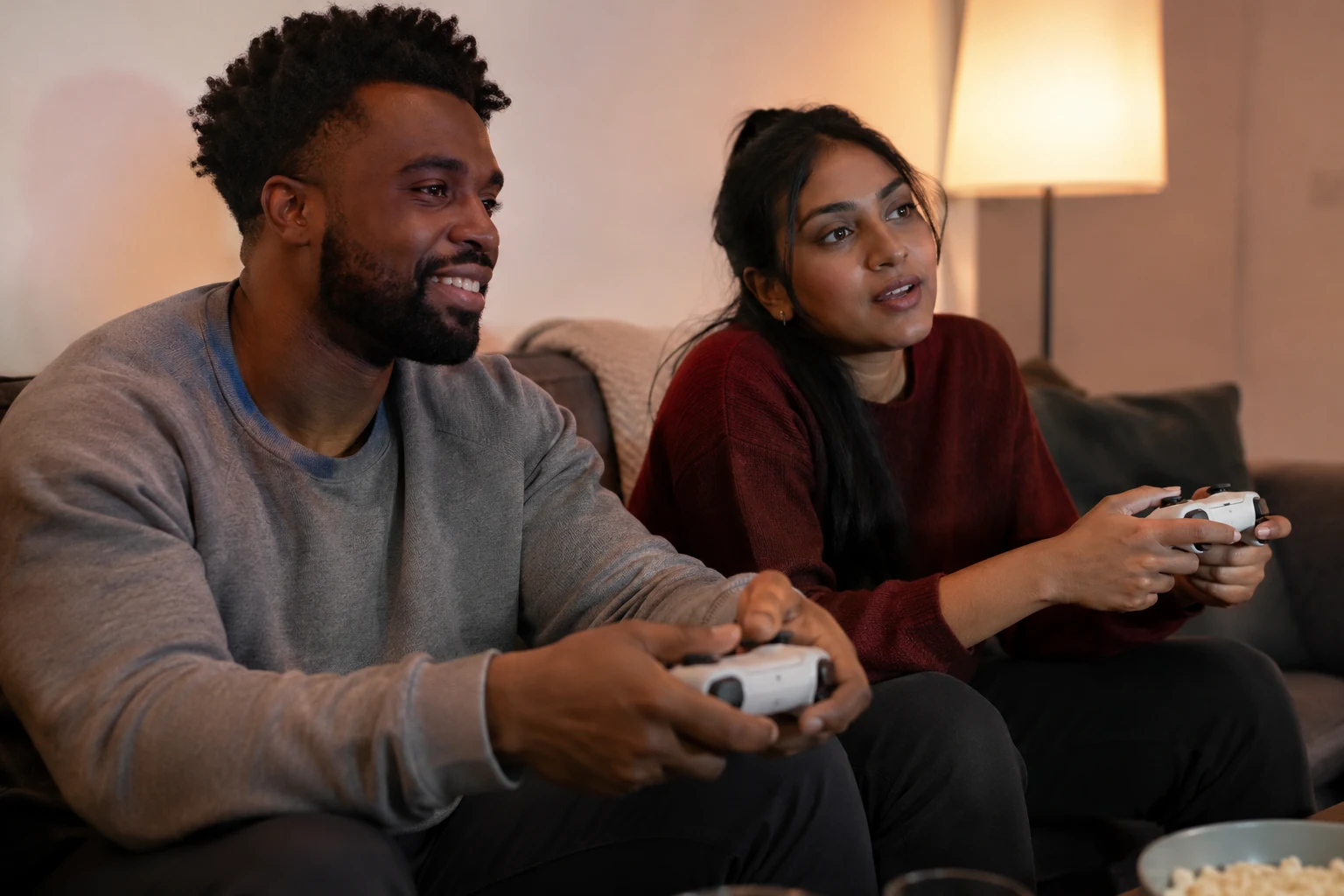
Party games provide a low-pressure entry point. Mario Kart, Jackbox, Just Dance and Super Smash Bros. Ultimate work when people want to talk, laugh and meet without committing to a ladder. A player who enjoys both competitive and casual gaming does not need to choose only one community.
The New Zealand difference: time zones, servers and access
NZ-friendly should describe how a group operates, not merely where one administrator lives. A server full of Australian players might be a good match for a Kiwi evening, while a North American server with more members may be mostly asleep. Daytime players, shift workers, parents and students also need different schedules. A group that posts specific session times in NZDT or NZST is easier to assess than one that says it is active 'all the time'.
OCE does not guarantee identical connectivity. Game servers, matchmaking regions and the locations of group members are separate things. League of Legends supports an Oceania region; VALORANT lists Sydney among its Asia-Pacific server options. Before forming a regular ranked party, confirm that everyone can use a compatible game region, then check actual in-game ping and voice-chat reliability. Distance, routing, platform restrictions and a game's server choices can matter as much as who lives in Auckland or Melbourne.
Platform access is another quiet deal-breaker. Many PC, PlayStation, Xbox, Nintendo Switch and mobile players share fandoms without sharing matchmaking. Cross-play may differ by title, mode or account setup. Game ownership, subscription requirements and downloadable content can also split a group that otherwise looks perfect.
Geography still matters when online friends want to meet. Auckland has multiple university and esports venues, but communities also operate in Ōtautahi Christchurch, Te Whanganui-a-Tara Wellington, Waikato and Rotorua. People in smaller towns or rural parts of Aotearoa may find a nationwide text-based group more practical than a weekly in-person club. Accessibility, transport and connection quality belong in the decision alongside game preferences.
From voice chat to LAN nights: gaming culture in person
At the UC Gaming Guild in Christchurch, social gaming nights, LAN events, fighting games, quizzes and esports create several ways for people to participate. The Auckland University Esports Club (AUEC) combines interclub competition with community events and broadcasting. AUT Gaming Society has developed student-led tournaments, while TCOSY, Massey University's social gaming community, describes LANs and other gatherings for players across PC and console. Eligibility and event details should always be checked with the organisers.
Independent LAN culture has its own history. The New Zealand Gaming Network lists community projects such as AuckLAN and Christchurch's Got-LAN. A LAN can involve bringing a computer or console, installing updates beforehand, using headphones and sharing space with people whose gaming interests overlap. Older community sites are valuable discovery leads, not proof that a particular event is still scheduled.
Armageddon Expo connects gaming with cosplay, comics, anime, pop culture, fan art and live events. At the Auckland Armageddon event in 2026, the NZ Secondary School Esports LAN Clash featured school teams competing in Marvel Rivals and VALORANT. At the national level, the New Zealand Esports Federation (NZESF), its school and university pathways and the E Blacks represent a more formal competitive ecosystem.
Gaming communities also create games, stories and culture
Some of the strongest gaming connections form around making something rather than beating an opponent. The New Zealand Game Developers Association (NZGDA) connects designers, artists, programmers, testers, producers and independent studios. KiwiJam brings people together across Aotearoa to make games in a roughly 48-hour jam. At the University of Auckland's 2026 event, the Makers Club and Game Developer Guild helped create a space for prototypes, playtesting and collaboration, including tabletop projects. Newcomers can contribute with ideas, writing, sound, art and testing as well as code.
In Rotorua, Digital Natives Academy uses gaming, creative technology and esports within a Māori-focused approach to supporting rangatahi (young people), with space for te reo Māori and Indigenous knowledge. Elsewhere, fan groups gather around speedrunning, mods, cosplay, fan art, tabletop games, virtual reality and streaming. These activities can provide a gentler first connection than a competitive voice channel.
The culture is built by the people who run the server, teach a new player, organise transport, edit highlight videos and make newcomers feel welcome.
How to tell whether a gaming community is a good fit
Member count is a weak shortcut. A small group with two dependable weekly sessions can be more useful than a huge server where nobody answers LFG posts.
- Look for a recent pattern, not one busy day. Check whether sessions, event posts and conversations recur over several weeks. Distinguish genuine play invitations from automated announcements.
- Match the purpose. Does the group organise casual co-op, ranked scrims, roleplay, racing leagues or general conversation? A competitive clan is a poor fit if missing a practice night would be stressful.
- Check the welcome experience. Useful signs include a readable rules channel, introductions, beginner questions that receive answers and clear ways to ask for teammates.
- Confirm your practical constraints. Check NZ time slots, game region, platform, voice-chat expectations, age limits, accessibility and any fees before relying on the group.
- Notice what happens when someone disagrees. Healthy moderation sets boundaries around harassment, cheating, personal information and repeat bad behaviour. A code of conduct matters only when it is applied.
An invitation that promises prizes, instant friendship or special treatment without transparent rules deserves extra caution.
Keeping gaming spaces safe and welcoming
Good moderation protects the freedom to play, joke and disagree without allowing targeted abuse to become the norm. Netsafe's New Zealand guidance encourages clear rules, visible moderators, reporting routes and proportionate responses to harmful behaviour. Racist or sexist abuse, threats, persistent harassment, doxxing and pressure to share private details are warning signs, not a price of belonging.
Keep your real address, school, phone number and account recovery details private. Treat unexpected download links, giveaways, cryptocurrency requests, paid rank-boosting offers and messages asking for login codes as suspicious. Use available privacy, block and report settings. A moderator should never need your password or authentication code to resolve a dispute.
The distinction between game chat and an external server matters. A community's Discord chat and a third-party game server may have different administrators and safety tools. Discord's guidance on third-party game servers warns that those spaces may not be moderated by Discord. Even a listing marked All Ages is not a guarantee: NZ Esports explicitly notes that age labels in its community directory do not rule out adult material.
For serious online harassment or cyberbullying in New Zealand, Netsafe provides advice and reporting pathways. Save relevant evidence where safe, use platform reporting tools and avoid escalating an abusive exchange in public chat.
Children, teenagers and whānau
Parents and caregivers need to consider two different questions: whether the game itself is suitable and who a child can communicate with while playing it. New Zealand's Classification Office explains game ratings and age restrictions, but a content rating does not describe every conversation that can happen in voice chat, direct messages or a separate Discord group.
Netsafe recommends introducing online features gradually, discussing what information stays private and reviewing chat settings as children develop their own judgement. A school esports club with adult oversight and a clear behaviour policy may provide a more structured starting point than an open public server. Event rules are separate again: KiwiJam generally uses an R18 entry policy unless an individual site has arranged for younger participants.
When there is no community for your game or schedule
A new group does not need hundreds of members. Four reliable players with a shared time slot already have the beginning of a community. A clear purpose is more valuable than an elaborate server: 'casual Rocket League on Tuesday and Thursday evenings, NZ time' tells people much more than 'gaming for everyone'.
Successful small groups settle basic expectations early: which game and platform they use, when sessions happen, whether microphones are optional, how new members are welcomed and what happens when somebody behaves badly. A simple Discord layout can start with #rules, #introductions, #looking-for-group and #events. Moderators need a way to handle reports without turning private disagreements into public entertainment.
Regular activity creates a better foundation than constant recruitment. One weekly session, an occasional community tournament or a shared creative project is enough to learn what members value. Keeping attendance optional, rotating responsibilities and respecting work, study and whānau commitments makes participation more sustainable. The NZ Esports community directory also outlines ways that independent groups can develop events and tournaments through the local ecosystem.
Frequently asked questions about gaming communities in NZ
What is the best gaming community for a beginner?
A social club with beginner-friendly events, active moderators and no pressure to play ranked matches is usually a better starting point than a tightly managed competitive roster. Party-game nights, casual co-op groups and university gaming clubs let people learn names and routines before choosing a specialised game scene.
Are there active gaming communities outside Auckland?
Yes. Christchurch, Wellington and Rotorua have local groups, alongside nationwide Discord and OCE communities. Verify current meetings directly with each organiser.
Do I need Discord to find gaming friends?
No. Reddit, GP Forums, Steam groups, game-native guild tools, university clubs and public events can all lead to regular gaming friends.
Can New Zealand players join Australian gaming communities?
Yes, many AU/NZ and OCE groups already bring players together across the Tasman. For team-based games, the useful checks are overlapping session times, a compatible platform or matchmaking region and acceptable in-game latency.
Does joining a gaming community cost money?
Many online discussion groups have no membership fee. Costs may come from buying a game, console subscriptions, event tickets, travel, venue entry or tournament requirements. Ask about the complete cost of taking part rather than assuming that a free Discord invitation makes every activity free.
Do you have to be good at games to take part in esports?
No. School competitions, student clubs and amateur tournaments provide ways to learn team communication, organise events, watch broadcasts or help behind the scenes. More demanding competitive rosters will set expectations around rank, practice and availability.
The real measure of belonging
A brief, low-stakes trial works better than committing immediately. Watching a channel for a few days, playing one casual session and seeing whether anyone remembers or welcomes you back reveals the group's actual culture.