
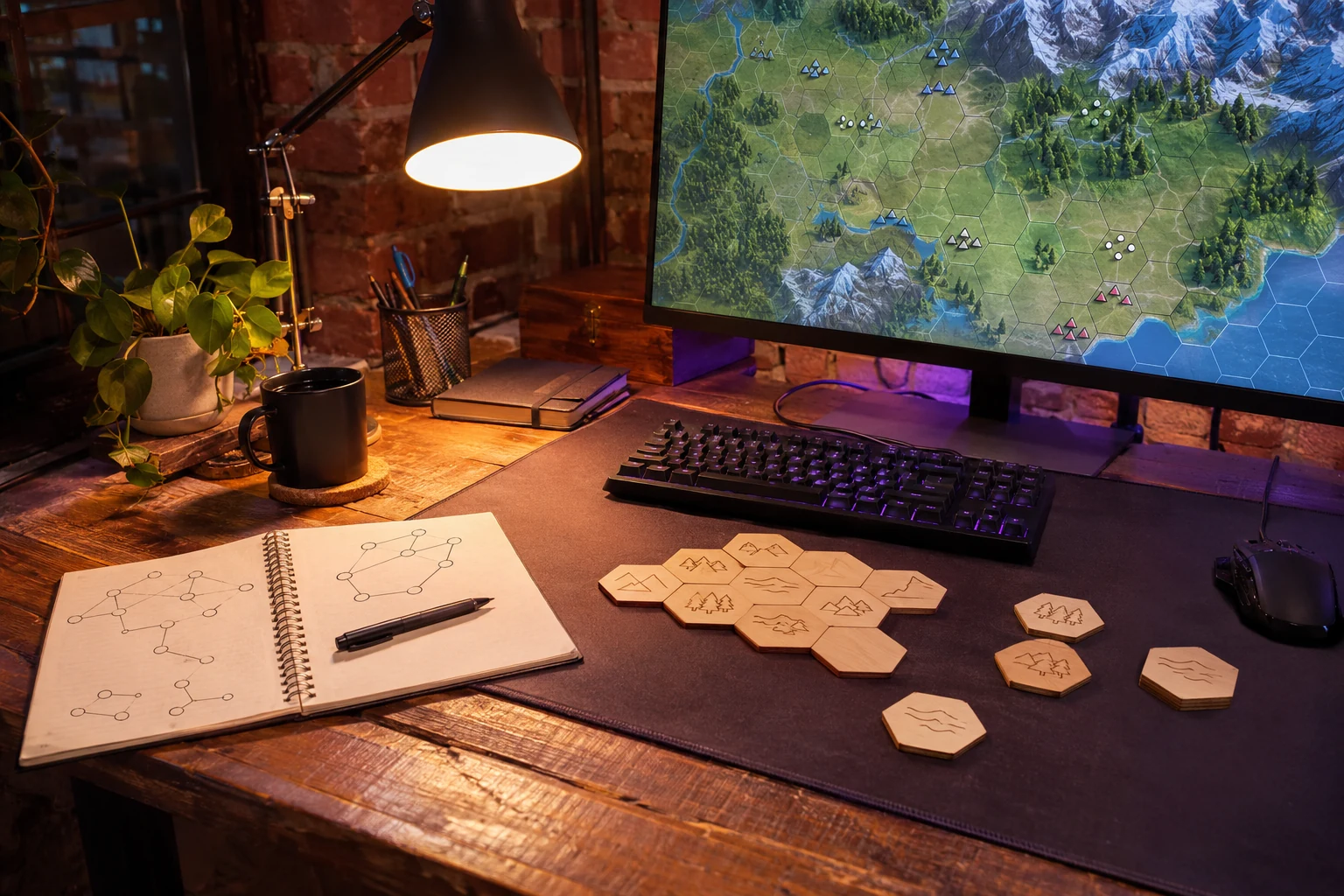
Strategy and simulation games make choices consequential. A military campaign can drain supplies; a railway can reshape a city's budget; a colony might run short of food before winter. The fun lies in finding out what happens when your plan meets the rules of the world.
Strategy centres on objectives, opponents and trade-offs. Simulation centres on the workings of a place, activity or organisation. A game can combine both.
Strategy vs simulation: what's the difference?
A strategy game gives you a goal: hold a position, outmanoeuvre a rival, build an empire or win a campaign. Resources and time constrain your options. You choose what matters now and what can wait. The setting may be historical, fantastical or abstract.
A simulation sets rules in motion. Congestion follows when a road cannot carry the traffic; a farm needs equipment, crops and a workable production cycle. People in life sims react to routines, relationships and personal needs. The model needn't reproduce reality perfectly. It does need to behave consistently enough for your decisions to make sense.
| Question | Strategy games | Simulation games |
|---|---|---|
| What drives play? | Winning objectives, overcoming opponents or meeting strategic goals | Managing, operating or experimenting with a system |
| What matters most? | Timing, trade-offs, positioning, resources and adaptation | Processes, cause and effect, efficiency, behaviour and control |
| What creates pressure? | Enemy moves, deadlines, limited actions and competing priorities | Demand, system failures, budgets, environmental changes or self-set goals |
| What counts as success? | A victory condition, completed mission or stronger strategic position | A functioning system, a personal milestone or an enjoyable experiment |
| Typical examples |
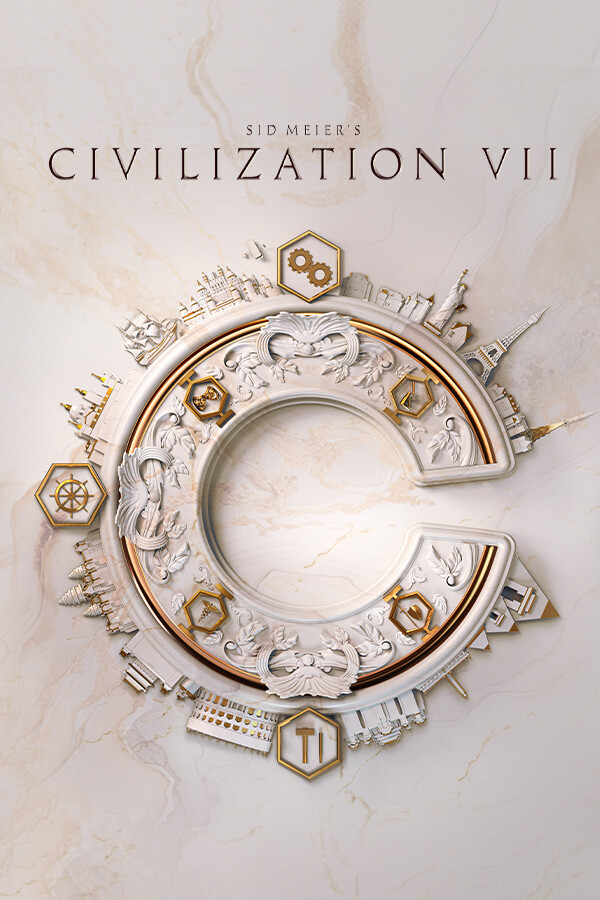
Civilization VII, Age of Empires IV, XCOM 2
 |
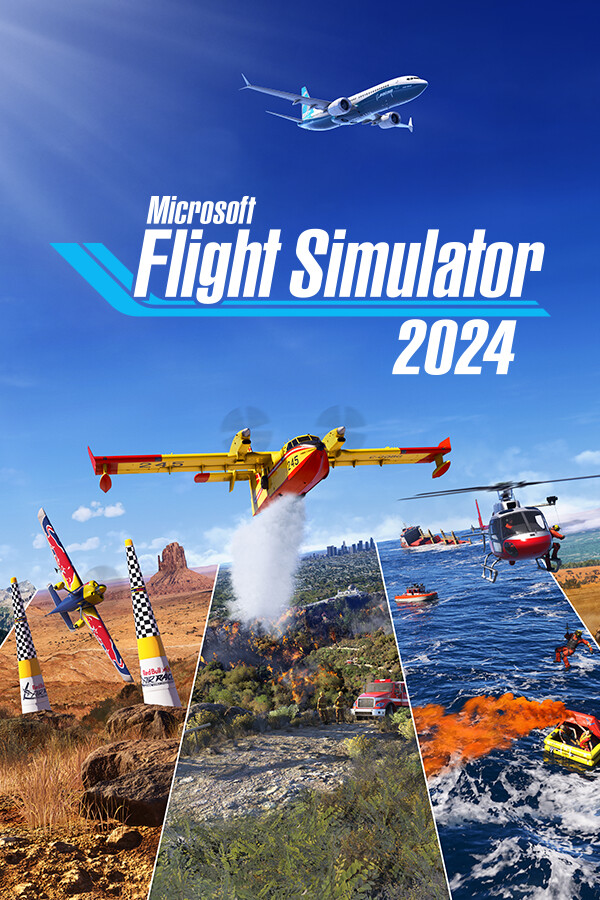
The Sims 4, Farming Simulator 25, Microsoft Flight Simulator 2024
 |
Cities: Skylines II shows why the labels overlap. The game simulates citizens, traffic and an economy. Where you zone housing, run transport and fund public services are strategic choices.
Find the kind of challenge you enjoy
A useful starting point is the kind of problem you'd enjoy solving again.
| If you enjoy... | Explore... | What to expect |
|---|---|---|
| Thinking through every move | Turn-based strategy and tactics | Clear turns, positioning, calculated risks and time to plan |
| Reacting while events unfold | Real-time strategy (RTS) | Live economies, unit control, shifting threats and quick priorities |
| Building an empire over many decisions | 4X and grand strategy | Exploration, technology, diplomacy and long-term consequences |
| Making a settlement thrive | City builders and colony sims | Infrastructure, population needs, logistics and unexpected setbacks |
| Creating characters or a personal world | Life and social simulation | Relationships, routines, home design and open-ended stories |
| Learning a process or operating equipment | Farming, vehicle and job simulators | Tools, procedures, mastery and the satisfaction of completion |
| Improving a complex machine | Factory and business simulation | Production chains, bottlenecks, budgets and optimisation |
The main types of strategy games
Real-time strategy: making decisions under pressure
An RTS keeps moving while you decide. Players gather resources, construct bases, produce units and scout the map; an opponent can be doing the same. In Age of Empires IV, villagers support an economy that pays for buildings, technology and armies. StarCraft helped define this demanding real-time format.
Attention is the hard part. Watch a battle too closely and resource production can fall behind. Pausing or slowing the game can help where supported, but competitive modes may not allow either.
Turn-based strategy and tactical combat
Turn-based play gives you room to inspect a position before acting. Sid Meier's Civilization VII spreads decisions across settlements, science, culture, diplomacy and competing powers. XCOM 2 brings the stakes down to a squad: cover, movement and mission risks. Wargroove offers commanders and units on a clear battlefield, with local and online options listed by Nintendo New Zealand.
More thinking time doesn't mean fewer consequences. Lose a valuable unit in a tactical encounter and the next move becomes harder; misjudge an empire's priorities and a campaign can unravel. Players who dislike fast inputs may still relish that pressure.
4X and grand strategy: decisions across an empire
4X means explore, expand, exploit and exterminate . You discover territory, develop settlements and resources, then negotiate or compete with other powers. The Civilization series follows that pattern through history. Stellaris does it in space, with planets, alien species, science ships, technology, fleets and alliances.
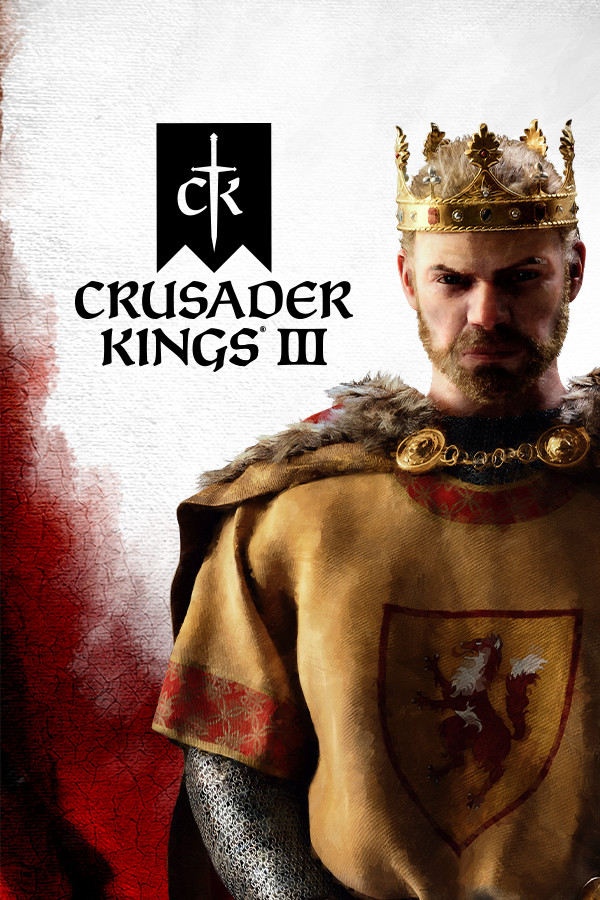
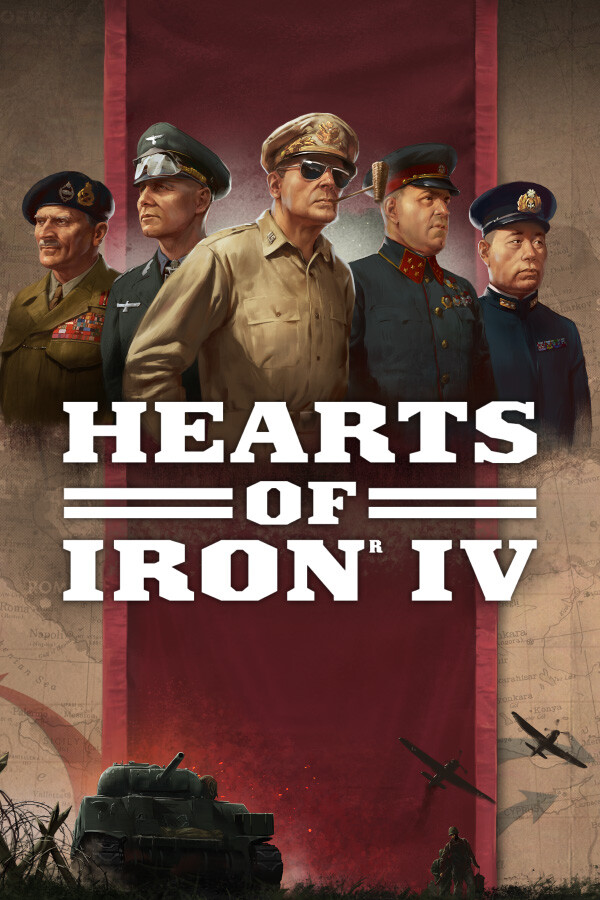
Grand strategy pays closer attention to political systems already in motion: borders, laws, trade, diplomacy and war. Crusader Kings III brings dynasties and relationships into those decisions; Hearts of Iron IV focuses on wartime planning. Exploration drives many 4X games. Grand strategy is more likely to start with an established world, though the genres overlap.
Other strategic branches
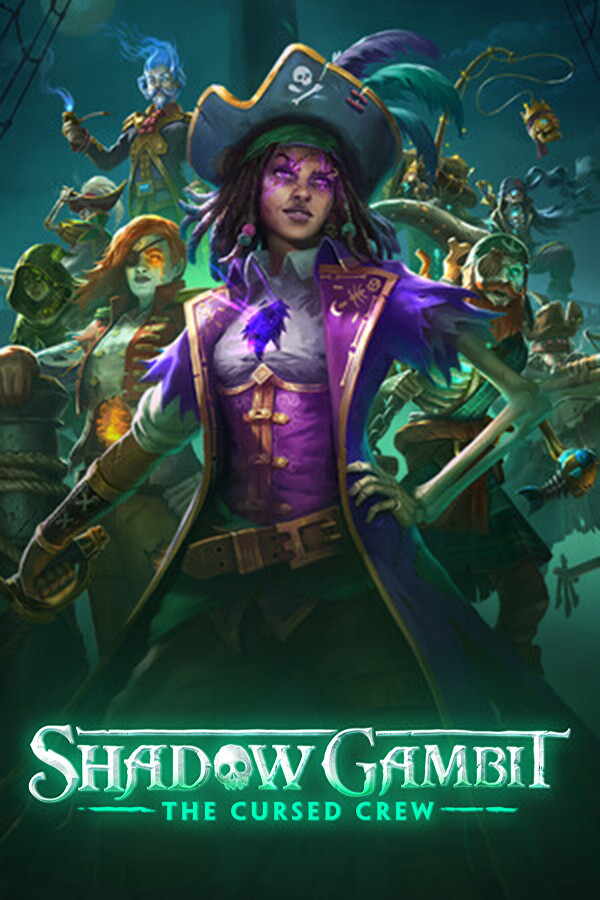
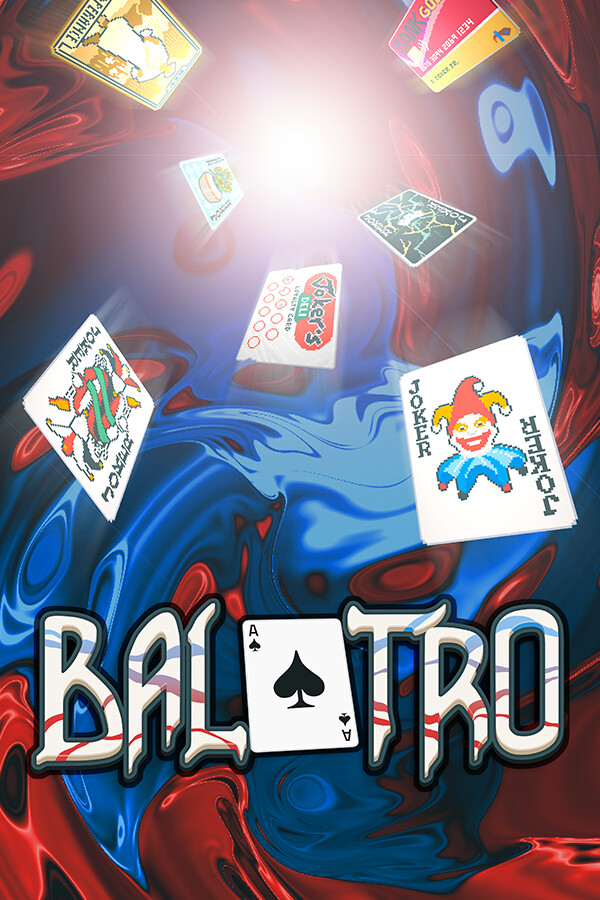
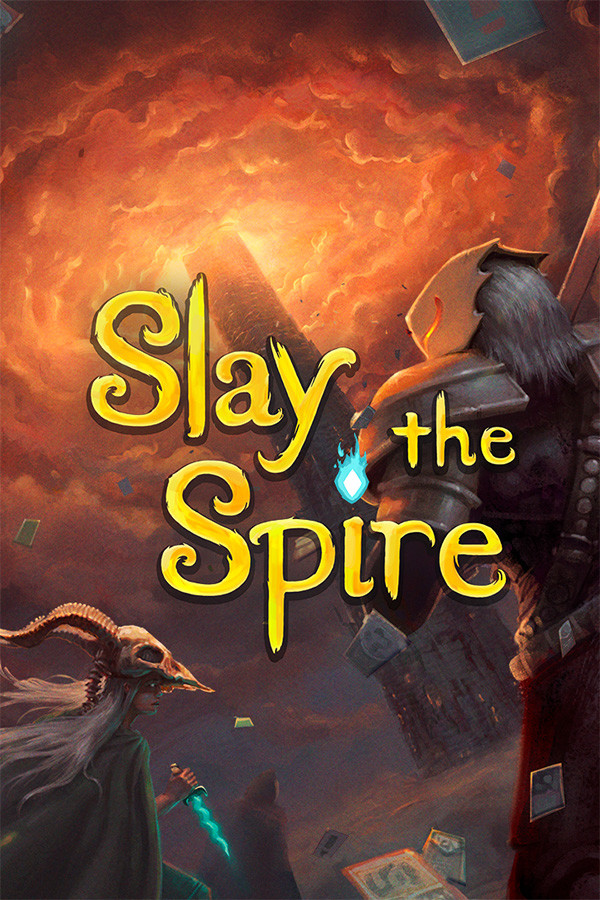
Armies aren't essential to strategy. Tower defence involves placing and upgrading defences against waves of attackers. Slay the Spire and Balatro ask you to build effective combinations of cards, relics or modifiers. Shadow Gambit: The Cursed Crew relies on stealth, timing and coordinated actions.
The main types of simulation games
City-building and economic simulation
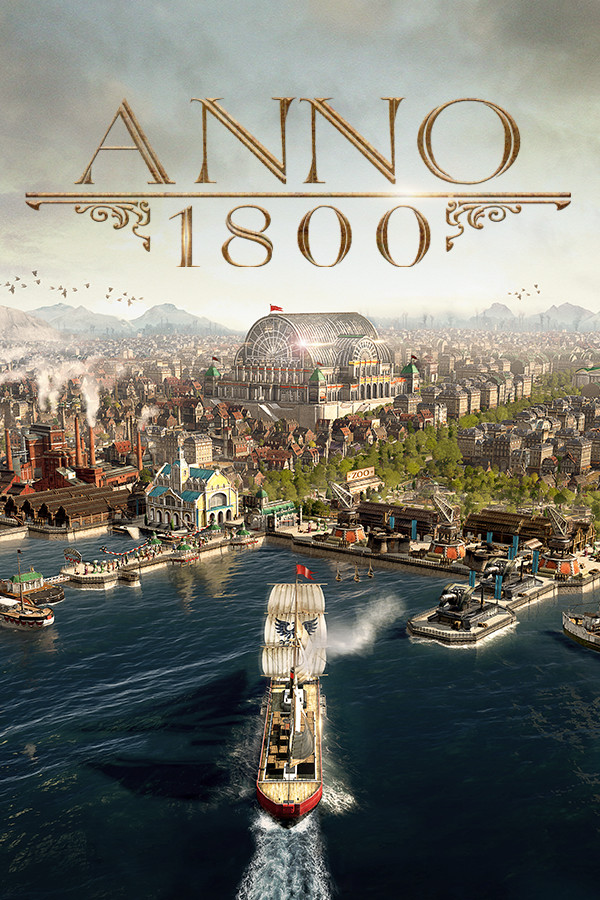
A new neighbourhood needs roads, utilities and public services; expand too fast and the city budget feels it. Cities: Skylines II connects planning choices to citizens, traffic, weather and economic activity. SimCity established many city-builder conventions. Anno 1800 adds trade routes, production chains and settlement growth, edging towards economic strategy.
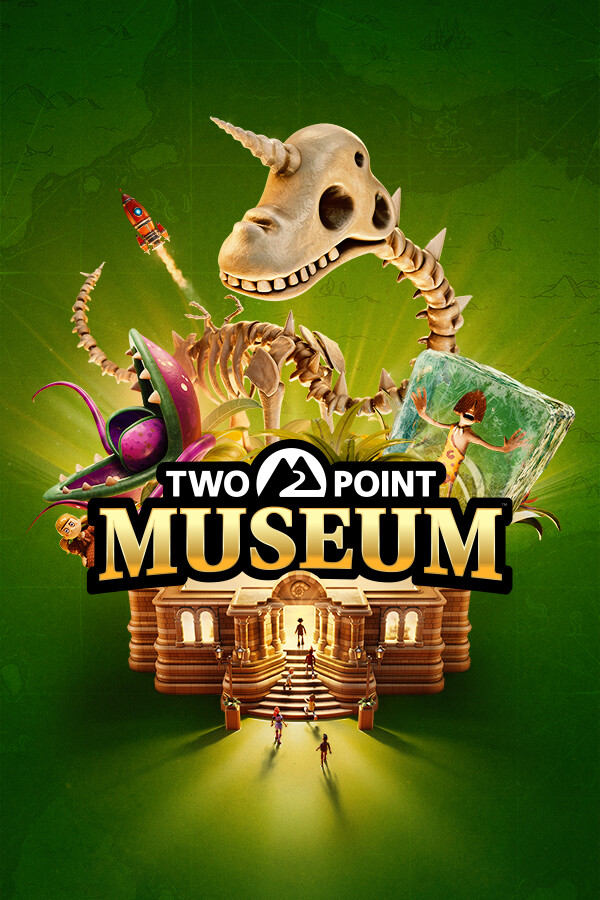
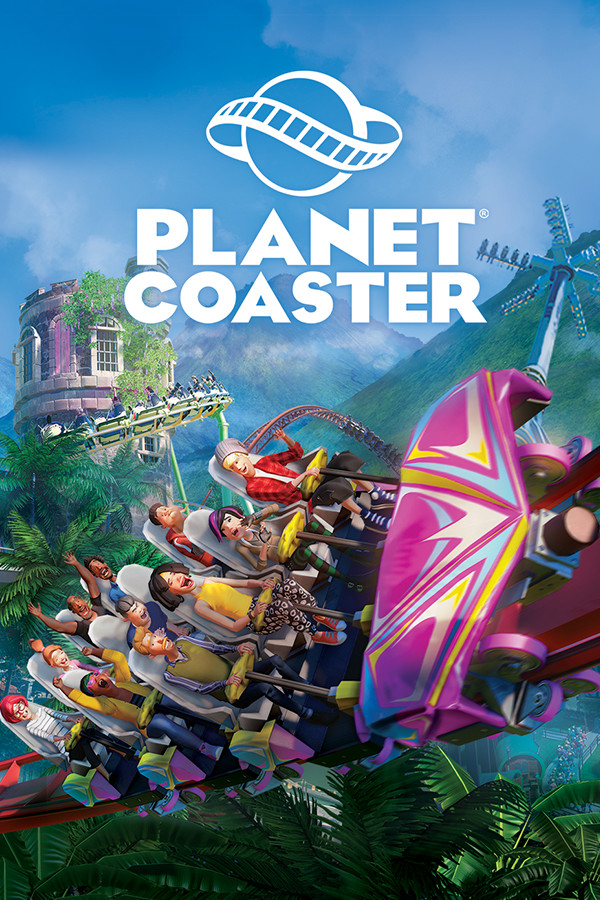
Management games shrink the scale to an organisation. Two Point Museum revolves around exhibits, visitors, staff and revenue. Planet Coaster couples park design with guests and operations. Tycoon games tend to emphasise profit and expansion. Sandbox builders may have no final win screen at all.
Life, social and farming simulators
In The Sims 4, you design households and homes, then steer aspirations, careers and relationships. There's no opponent to defeat. The base game is free to play on supported platforms; expansion packs and kits cost extra.
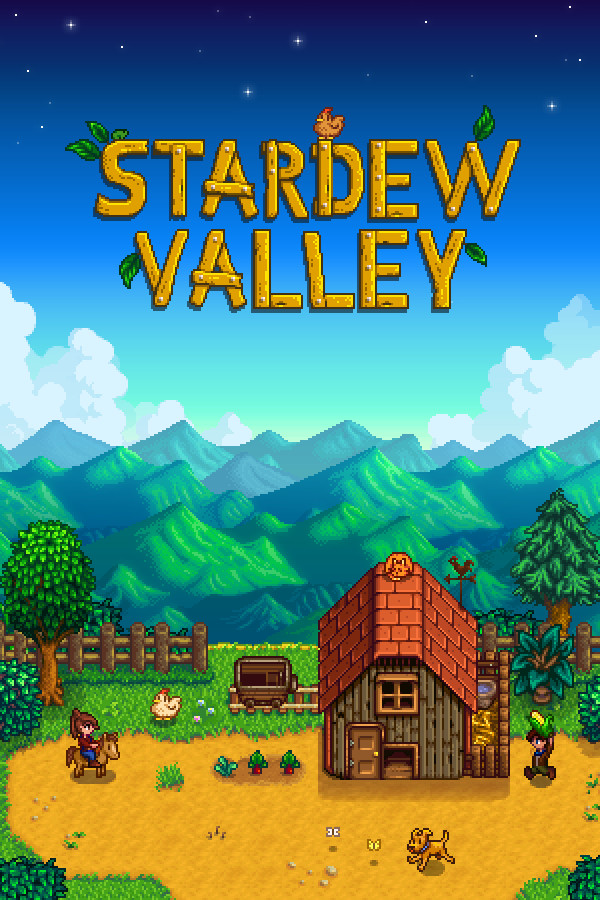
Stardew Valley mixes farming with crafting, relationships and role-playing progression. Farming Simulator 25 concentrates on fields, crops, livestock, machinery, weather and production chains. Both involve a farm, but one follows a character's daily life while the other focuses on running an agricultural operation.
Vehicle and hands-on job simulators
Vehicle sims put the machine first. Microsoft Flight Simulator 2024 covers aircraft systems, aviation and a modelled world; Train Sim World deals with routes, signals and railway operation. A realistic control scheme can be demanding. Check whether a game offers beginner assistance rather than assuming realism makes it easier to learn.
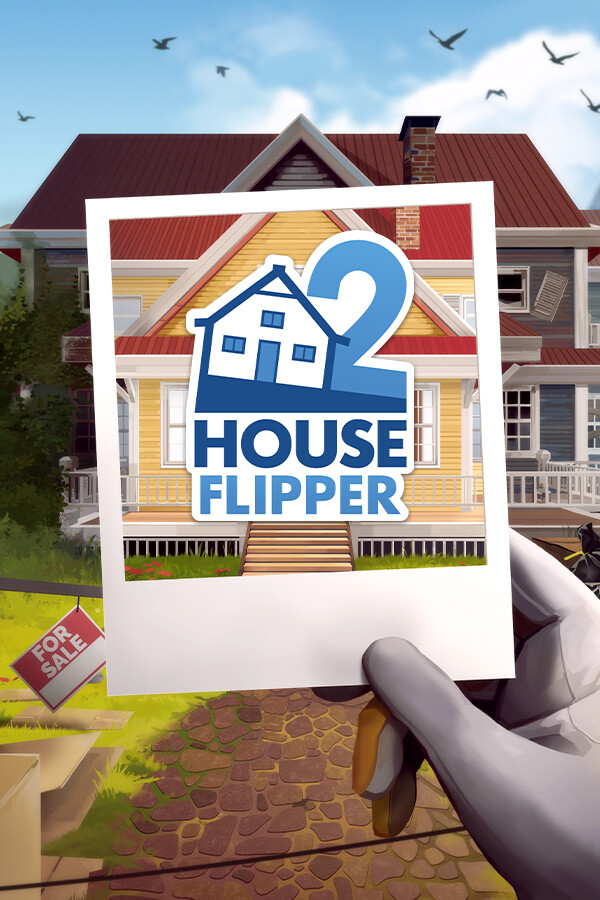
PowerWash Simulator makes cleaning into a slow, visible job. House Flipper 2 mixes renovation tasks with creative building. Their pace is generally gentler than combat-focused strategy, although deadlines, challenges and business systems can add pressure.
Factory, colony and sports management
Factorio is about the bottleneck you haven't noticed yet. Ore becomes material; belts move it to machines; power keeps the lines running. Once production grows, one stalled connection can affect the entire factory. Redesigning the flow is the puzzle.
RimWorld connects food, shelter, illness, moods, relationships, raids and environmental hazards through an AI storyteller. Colonists' needs can upset an otherwise sensible plan. Football Manager puts the same systems-minded player in charge of tactics, recruitment, squad development and matches.

Where strategy and simulation overlap
In a hybrid, changing one system changes another. Add housing and demand for transport, staffing or power may rise. Solve a supply problem and the next bottleneck appears.
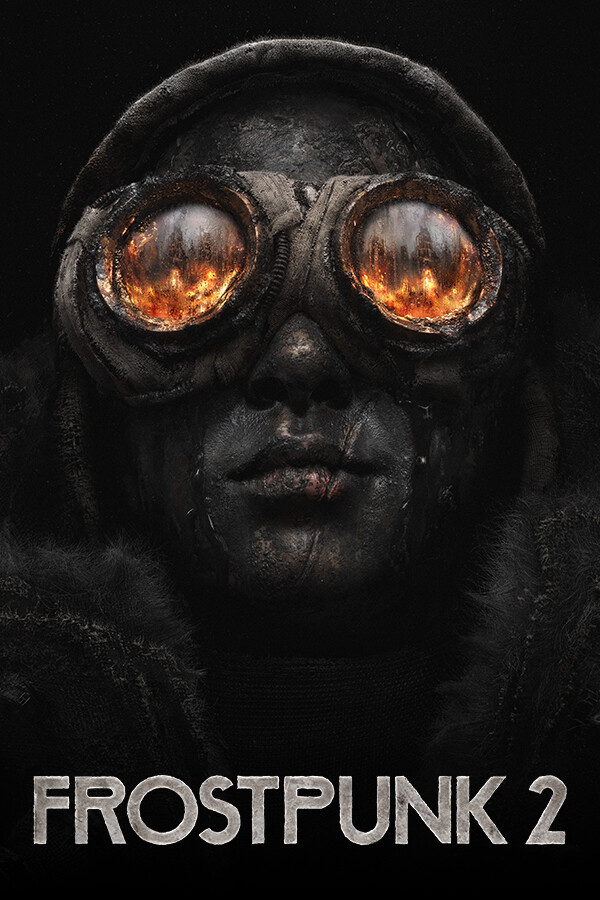
Frostpunk 2 ties survival to districts, scarce resources, laws and factions. Against the Storm gives each settlement different populations, supplies and conditions; its roguelite structure carries progress across expeditions. RimWorld generates colony stories from simulated people and unpredictable events. Stellaris combines economic and population management with diplomacy and military planning.
Failure means different things in these games. Losing a tactical battle is usually a setback. In a roguelite city builder, a failed settlement can be part of the learning cycle. A sandbox may not have a compulsory victory at all.
Recognisable games and the experience each offers
| Game | Genre fit | Main appeal | Trade-off to consider |
|---|---|---|---|
| Civilization VII | Turn-based / 4X strategy | Shape an empire through technology, culture and diplomacy | Long-range planning and many interconnected choices |
Age of Empires IV
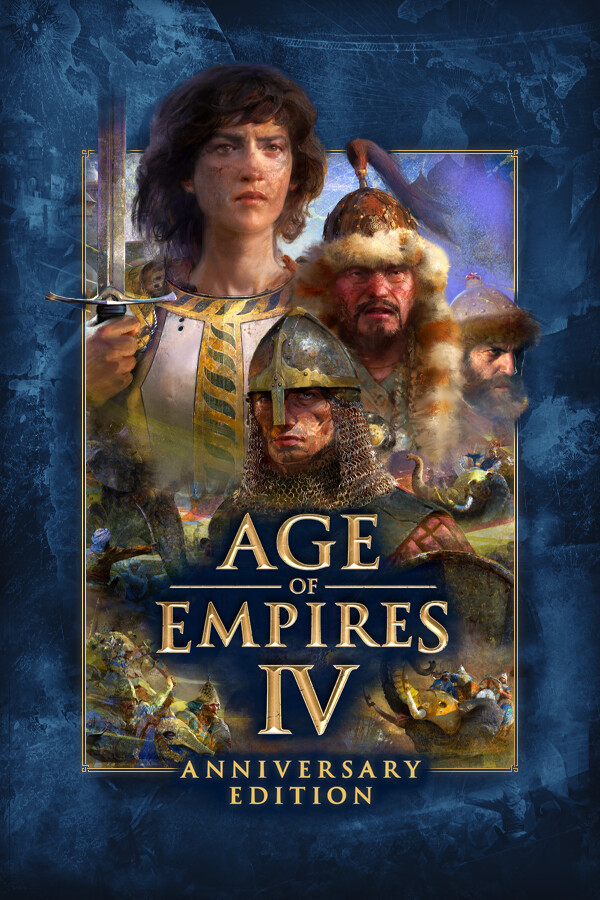 |
Real-time strategy | Gather resources, build armies and respond to opponents | Time pressure and frequent attention switching |
XCOM 2
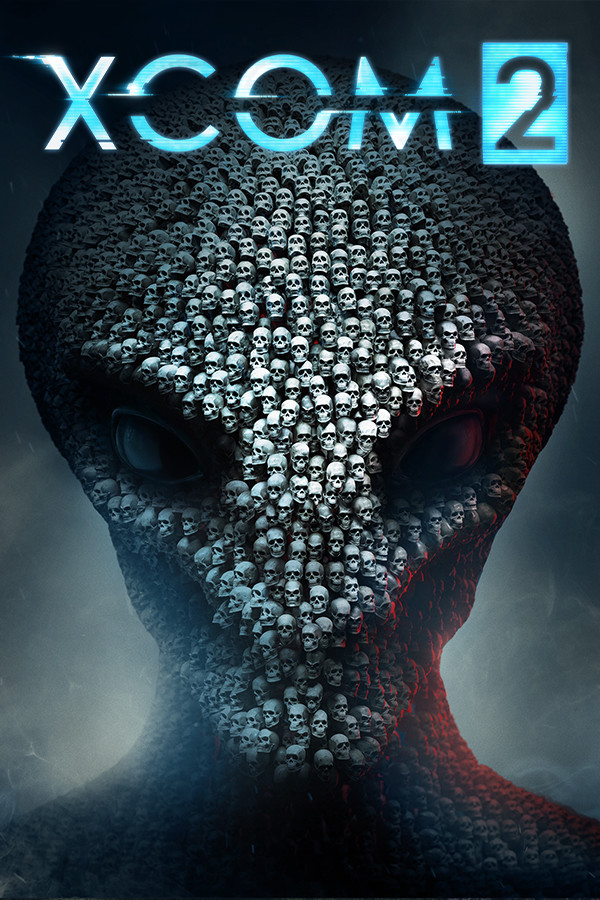 |
Turn-based tactics | Command a small squad through risky encounters | Unforgiving mistakes and tense missions |
Stellaris
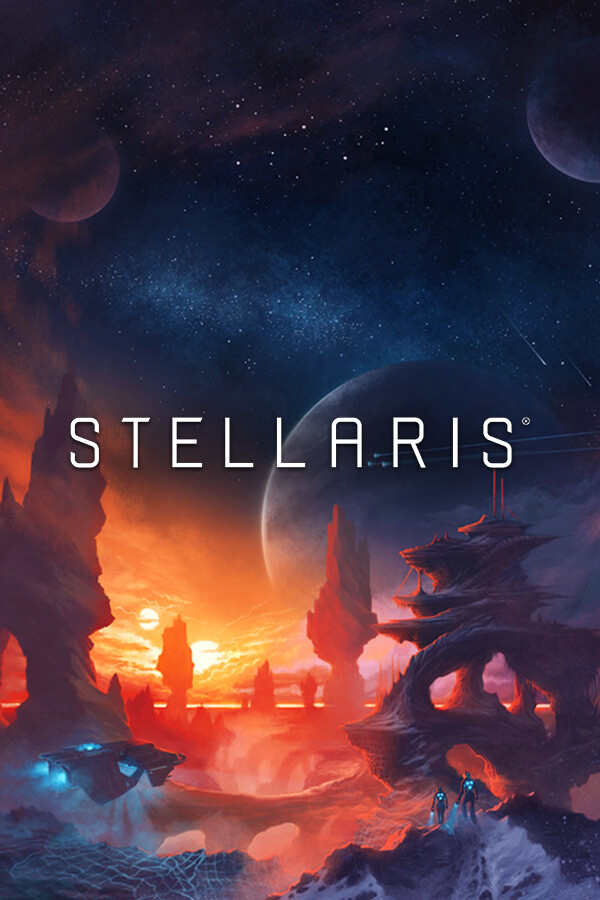 |
4X / grand-strategy hybrid | Explore space and shape a galactic society | Dense menus, diplomacy and interconnected systems |
Cities: Skylines II
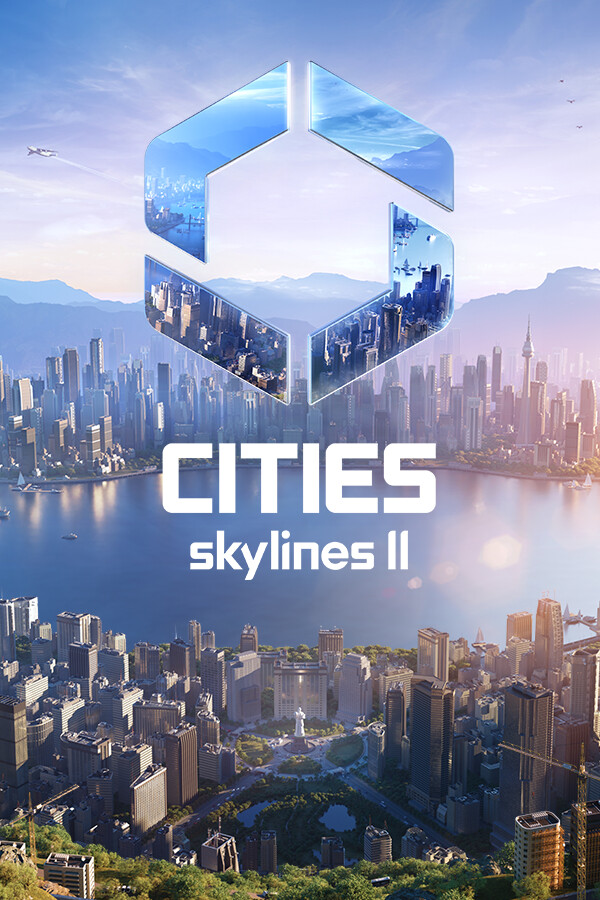 |
City-building simulation | Design and manage a living city | System complexity and hardware demands |
Against the Storm
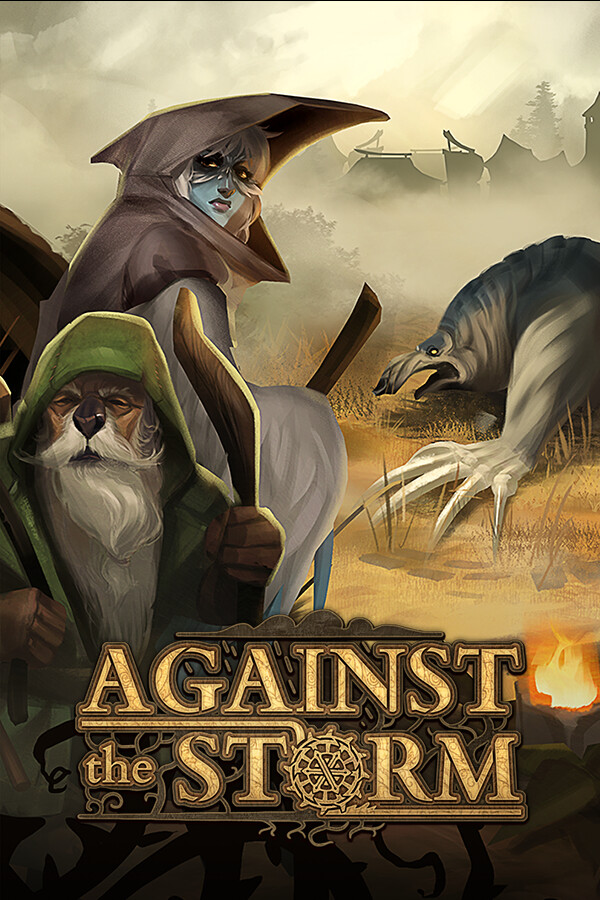 |
Roguelite city builder | Build successive settlements under changing conditions | Individual runs end rather than growing indefinitely |
RimWorld
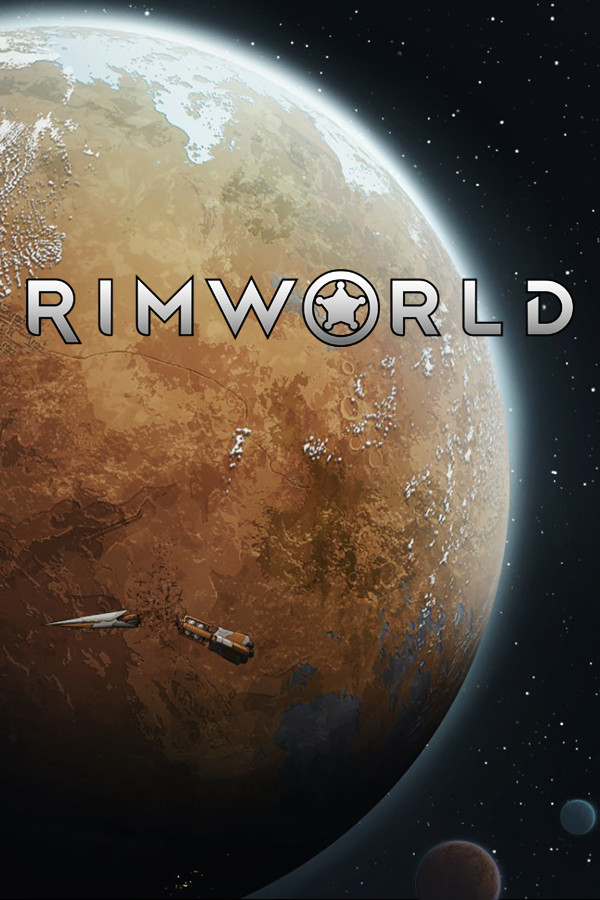 |
Colony simulation / strategy | Manage survivors and emergent stories | Setbacks and unpredictable events are central |
Factorio
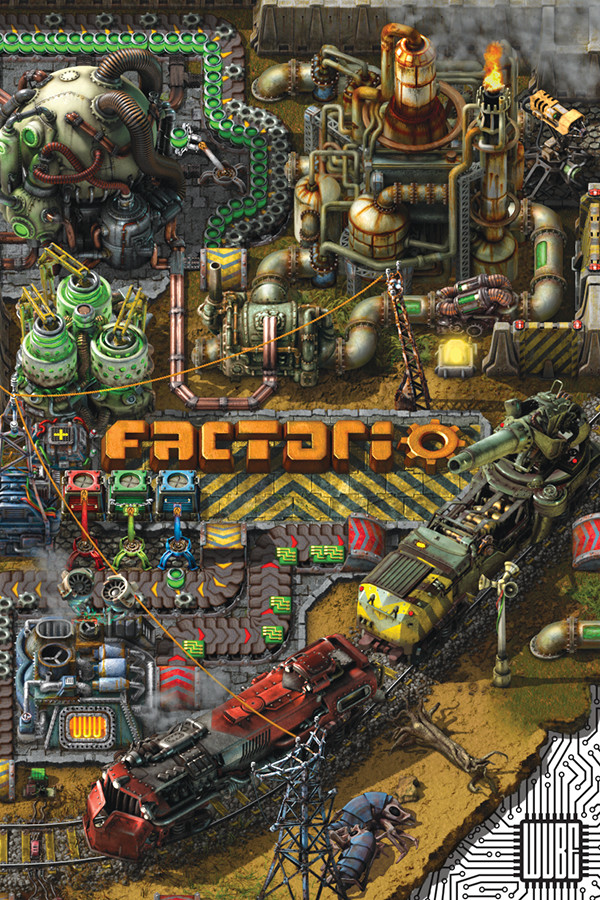 |
Factory automation | Build efficient production and logistics networks | Increasing complexity as the factory expands |
The Sims 4
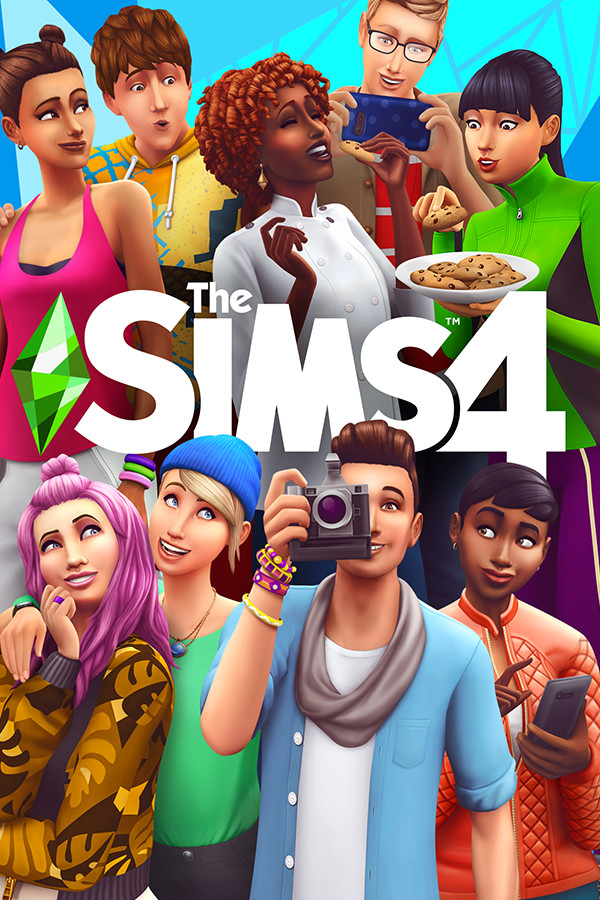 |
Life simulation | Create households, homes and social stories | Optional paid content adds to the total cost |
Farming Simulator 25
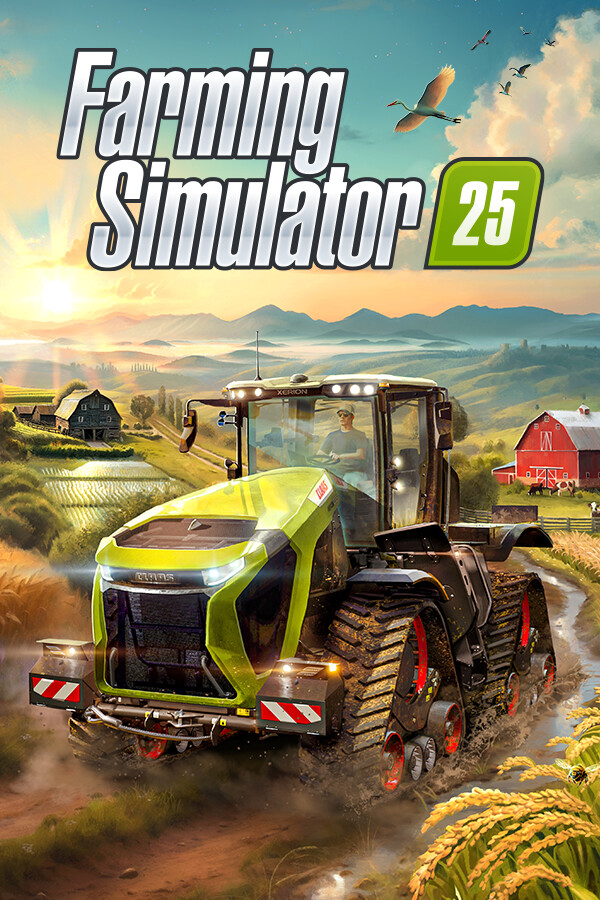 |
Agricultural simulation | Operate machinery and build a productive farm | Methodical tasks and equipment learning |
PowerWash Simulator
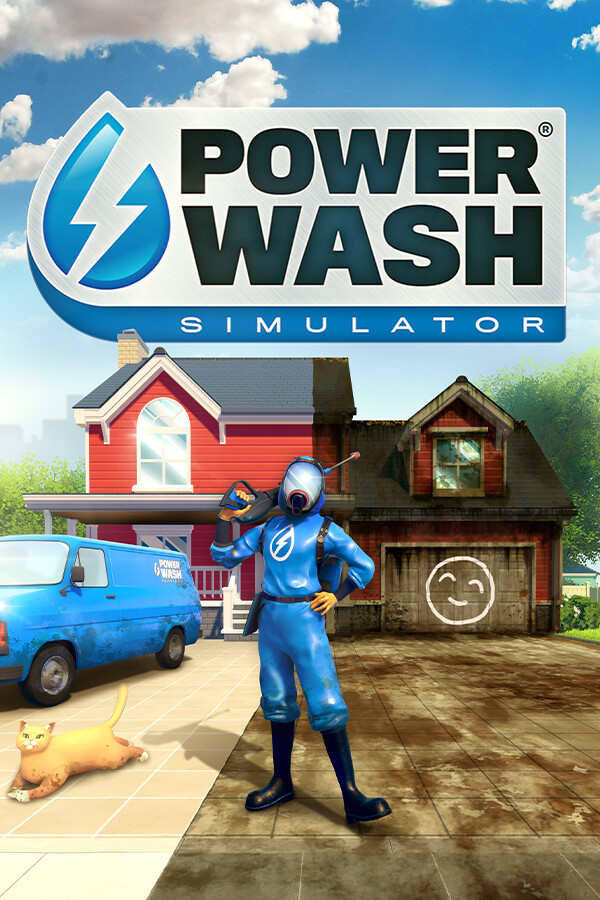 |
Job simulation | Complete tangible cleaning tasks at a measured pace | Repetitive work is the core experience |
Wargroove
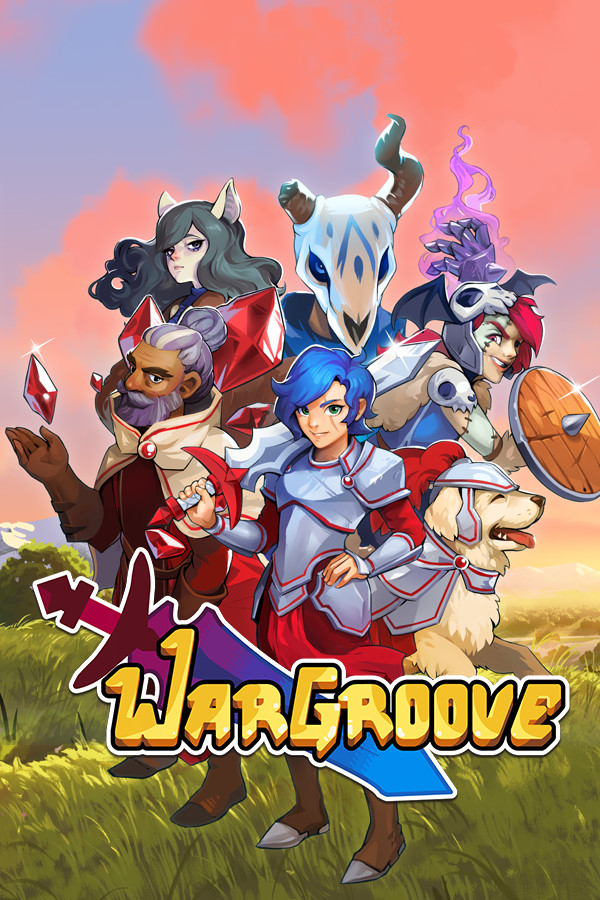 |
Turn-based tactics | Readable battlefield decisions and multiplayer skirmishes | Positioning mistakes can be costly |
What to check before choosing a game in New Zealand
Pace, control and the cost of a mistake
Can you stop and think, or does the game keep moving? Turn-based tactics and many builders allow deliberate planning. Competitive RTS and live management crises reward quicker reactions. Tutorials, manual saves, pause controls and adjustable difficulty help where offered, but a supposedly relaxing city can turn hectic as its economy expands.
Open-ended freedom or a clear objective
Sandbox play leaves the goals to you. Campaigns provide milestones and a finish line; roguelites encourage repeated runs and lessons carried into the next attempt. A long empire campaign suits someone who wants decisions to accumulate. For a self-contained evening, a shorter mission or discrete job may fit better.
Platform, performance and controls
PC versions commonly support mouse-and-keyboard controls, detailed settings and mods. Console releases focus more on controllers and readable television interfaces. A game appearing on PC, Mac, PlayStation, Xbox or Nintendo Switch does not guarantee the same features everywhere. Check the exact edition for supported languages, player modes and downloadable content.
A large city can put sustained strain on the processor and memory as traffic and population grow. Detailed vehicle sims may demand more from graphics hardware and storage. Minimum specifications won't tell you how a late-game save will run. Controller support, interface text size and graphics settings are worth checking too.
Solo play, cooperative play and ongoing costs
Solo campaigns, online competition and cooperative management ask different things of players. Sharing a farm in Farming Simulator 25 feels nothing like facing an opponent in Age of Empires IV . Check the player limit, cross-play, subscriptions and connection requirements for the particular mode, not just its 'multiplayer' tag.
Expansions, cosmetic kits, extra scenarios and subscriptions can raise the price long after you buy a game. New Zealand digital storefronts list the current NZD price, edition and regional availability. An international review may cover a version not sold locally.
Age ratings and content
The New Zealand Classification Office explains restricted and unrestricted games, including why a digital listing may display an international rating instead of a New Zealand classification. A colourful builder and a military strategy game can contain very different material. Check the rating and content warnings of the specific release.
Questions players ask about strategy and simulation
Are strategy and simulation the same genre?
No. Strategy pursues an objective under constraints; simulation models how a system behaves. A hybrid makes the simulated system part of the strategic problem.
Do strategy games require fast reflexes?
No. Real-time games can reward quick reactions. Civilization VII , XCOM 2 and Wargroove work in turns, so choosing well matters more than pressing buttons quickly.
Are simulation games always realistic?
Not always. A flight simulator may model practical procedures, while a social sim or fantasy colony uses simplified or invented rules. What matters is whether its systems respond consistently, not whether it copies real life exactly.
What is a good entry point for a beginner?
For turn-based tactics, Wargroove has a clear board and distinct moves. The Sims 4 starts with characters and homes; PowerWash Simulator makes each task easy to see. History-minded beginners can try tutorials and lower difficulty settings in Age of Empires IV or a Civilization game before entering competitive play.
Which games blend strategy with simulation most strongly?
Frostpunk 2 tests survival and political decisions; Against the Storm changes each settlement run. RimWorld builds colony stories, Stellaris links diplomacy to economics and Cities: Skylines II connects city plans to traffic and services.
Can strategy and simulation games be played on consoles?
Yes. PlayStation and Nintendo offer strategy, management and simulation games, including turn-based releases. Catalogue, controller support and editions vary by system and region; New Zealand store listings give the relevant details.