
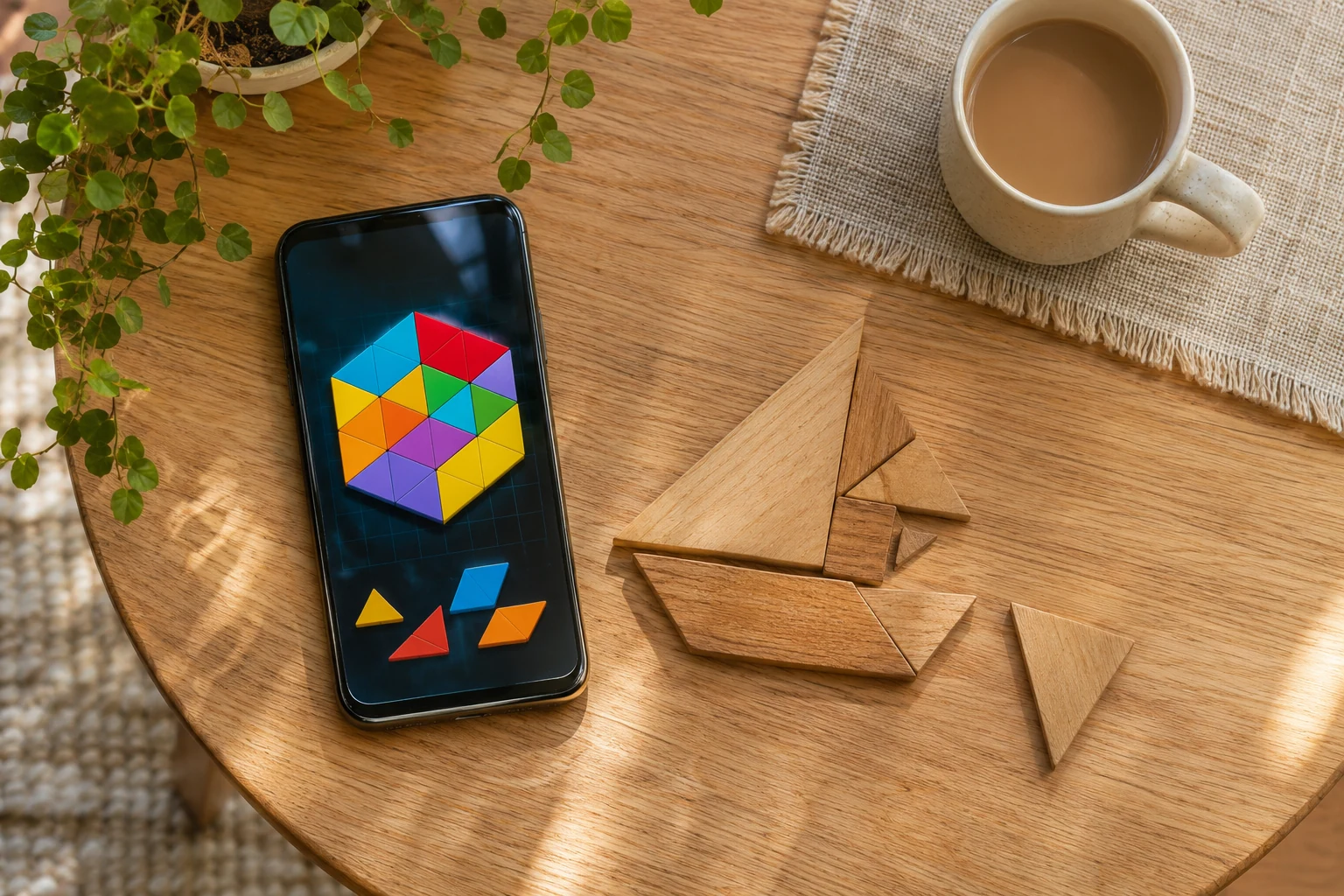
Puzzle games are defined by the problems you solve; casual games by how easily you can start playing and fit a session into your day. The categories overlap in match-3, word, merge and sorting games, yet they are not interchangeable. A Sudoku grid is a puzzle without needing colourful rewards or a timer. A one-tap endless runner is casual without asking you to solve a puzzle.
Puzzle vs casual: what is the difference?
In a puzzle game, the central activity is working towards a solution. You might recognise a pattern, deduce a number, assemble an image, find an object or discover the correct sequence of moves. Casual describes the experience around that activity: approachable controls, clear goals and the freedom to play without a lengthy learning period. A game can meet either definition or both.
| Label | What defines it | What it does not promise |
|---|---|---|
| Puzzle | Problem-solving is the main gameplay loop: logic, matching, observation, spatial planning or wordplay. | Slow pace, easy levels or short sessions. |
| Casual | Accessible rules and controls, with a low barrier to starting a session. | A puzzle mechanic, free access or effortless wins. |
| Casual puzzle | A puzzle mechanic packaged for accessible, repeatable play. | No advertisements, no difficult stages or no spending prompts. |
Genre labels also change between services. GameRefinery places Puzzle under its Casual category, while Google Play has a Puzzle category and the New Zealand App Store features casual collections containing matching and merging games. Tags are useful starting points, not a standardised measure of difficulty.
The main types of puzzle and casual games
Match-3, bubble shooters and tile matching
Match-3 games revolve around lining up at least three matching pieces to clear them from a board. Cascades, limited moves, level objectives, obstacles and boosters add planning to the simple swap-or-tap control. Candy Crush Saga, Royal Match, Gardenscapes and Toy Blast show how the mechanic can support long level-based progression and, in some titles, decoration or story elements.
Bubble shooters add aiming and ricochets: a launched bubble joins a matching cluster and clears it. Bubble Witch 3 Saga is one example. Triple-tile matching instead asks you to collect identical tiles or objects without overfilling a holding tray. The three styles share matching rules but demand different kinds of planning.
Merge, sorting and block puzzles
Merge games turn repeated combinations into higher-tier items. In Merge Mansion and Gossip Harbor, merging is connected to longer-term goals and narrative progress; the challenge extends beyond making a single match to managing board space and resources. A game built around 2048 combines number tiles towards a target and rewards careful positioning.


Sorting puzzles deal in order and available space. Water sort, ball sort, colour sort, pin and screw puzzles ask you to move or release objects without blocking the next step. Block puzzles, including Block Blast! and falling-block games in the tradition of Tetris, focus on fitting shapes into a grid. A board can look peaceful while its rules punish one careless placement.
Logic, numbers, words and trivia
Sudoku, nonograms, Kakuro, logic grids and Minesweeper reward deduction rather than random tapping. Nonograms reveal a picture through row and column clues; Sudoku uses number-placement constraints; Kakuro combines arithmetic with grid logic. Untimed modes suit players who prefer thinking through a move before committing to it.
Word games cover crosswords, anagrams, word searches, spelling challenges and daily word puzzles. Wordscapes, WordBrain, Words with Friends 2 and Bonza Word Puzzle approach letters in different ways. Trivia and quiz games test knowledge rather than solving a spatial board. For players in New Zealand, the accepted word list deserves a check: an app using US English may reject familiar spellings such as colour, centre or organise.

Hidden objects, jigsaws and traditional tile games
Hidden-object games ask you to scan scenes for specific items and can include a mystery or story. June's Journey represents the narrative side of the genre; spot-the-difference games concentrate on close visual comparison. Jigsaw puzzles move the challenge to shapes, edges and picture assembly. Digital Mahjong solitaire is a tile-pairing game, not the same rule set as multiplayer mahjong. Classic solitaire card games sit beside puzzles in several casual-game catalogues.

Physics, spatial and escape-room puzzles
Physics puzzles use gravity, momentum and timing, as seen in Cut the Rope and Angry Birds. Sliding-block puzzles, mazes, route-planning games and Sokoban-style box pushing ask you to think several moves ahead. Monument Valley uses perspective and spatial relationships; The Room revolves around inspecting objects and unlocking mechanisms. Games such as Portal 2 and Baba Is You show the more demanding end of puzzle design. They are puzzles, but not necessarily casual experiences.
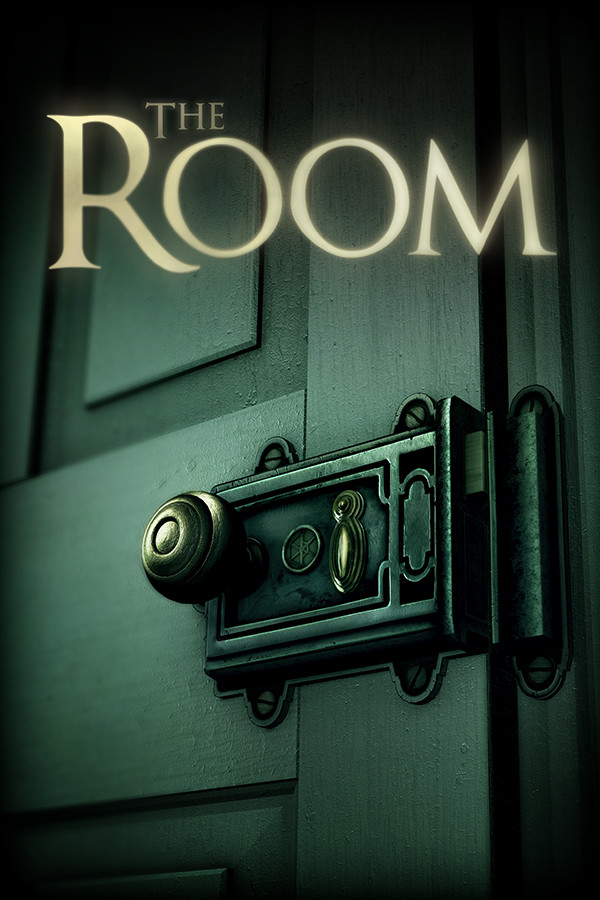
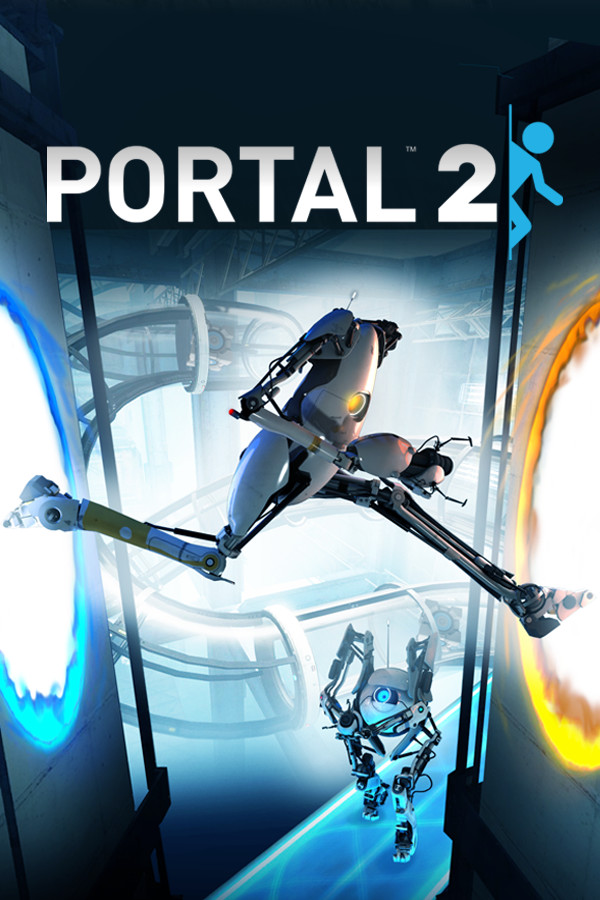
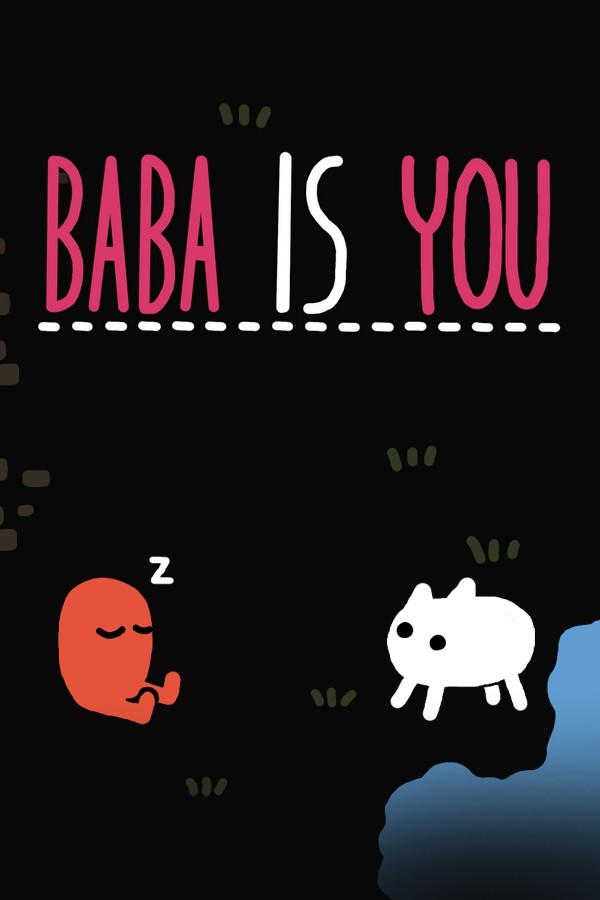
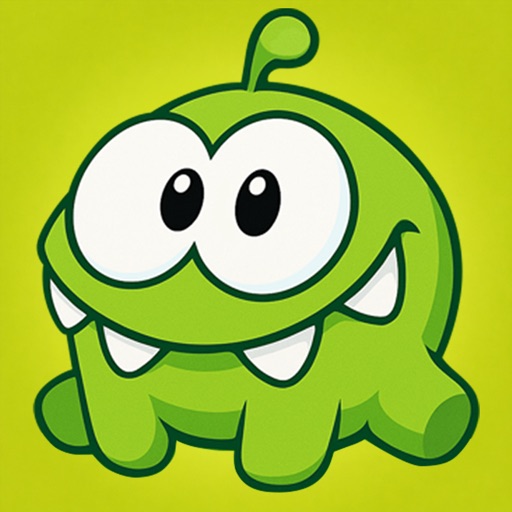
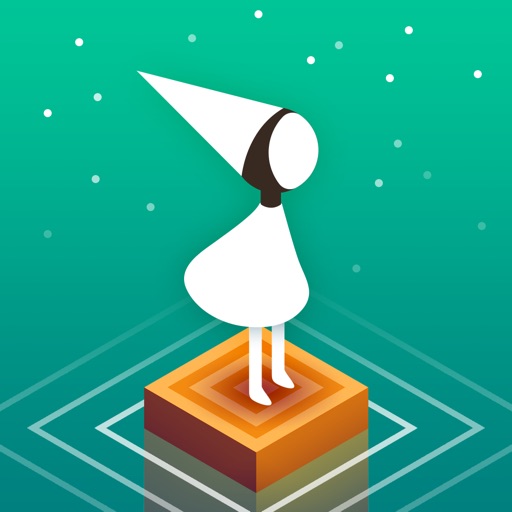
Puzzle adventures can blend exploration, clues and storytelling over longer sessions.
Casual games beyond puzzles
Casual gaming also includes idle and incremental games, simple arcade and endless-runner games, decorating, cooking, farming, time-management and light simulation. An idle game focuses on upgrades and accumulated progress; a runner is centred on timing and reactions. A home-design game becomes a puzzle hybrid when matching or merging is the activity that unlocks new rooms or furniture.
Choose a game by the time and attention you have
A game described as relaxing can still impose a countdown, limited lives or a demanding daily challenge.
| What you want | A suitable starting point | What to check first |
|---|---|---|
| A short break | Match-3, quick block puzzles or a daily word challenge. | Can a round finish in a few moves, and is progress saved when you stop? |
| A calm, untimed session | Jigsaws, Sudoku, nonograms, Mahjong solitaire or colouring by numbers. | Timers, penalties, hints and an undo option. |
| Something to return to | Merge games, hidden-object mysteries and puzzle adventures. | Energy systems, waiting periods and whether new chapters cost extra. |
| A more demanding challenge | Logic grids, Sokoban, physics puzzles and escape rooms. | Difficulty settings, restart options and how much trial and error is involved. |
| Play with someone else | Multiplayer word games, co-operative puzzles or shared daily challenges. | Whether play is local, asynchronous or dependent on an online account. |
| Play without reliable internet | Downloadable puzzles with a stated offline mode. | Whether levels, saves and rewards still work with the connection switched off. |
What makes a puzzle feel casual?
A casual-friendly game makes its goal understandable, shows how a tap or swipe changes the board and gives players a clear stopping point. A tutorial that demonstrates one move is easier to enter than a long explanation of several interlocking systems.
Accessible does not mean effortless. A match-3 board can become difficult after dozens of levels. A single-screen logic puzzle can demand patient reasoning.
Look at the failure rules. A limited-move challenge rewards efficiency, a timer adds speed, and a no-pressure mode leaves room for experimentation. Hints, undo, adjustable difficulty, skippable animations and visible progress can make the same basic mechanic suitable for a wider range of players. Daily streaks and event schedules add a different kind of commitment, even when individual rounds are short.
Free-to-play, premium and subscriptions
Free to download describes an entry price, not the full cost of playing. Many casual mobile games use advertising or in-app purchases. A rewarded video may offer a hint, extra move or booster; an interstitial advert may interrupt between levels. Lives, energy, coins and timed unlocks can affect how quickly a player progresses without paying.
Premium games charge upfront for access, while some puzzle collections use a subscription or sell additional chapters. Paying does not automatically guarantee offline access, permanent ownership of every expansion or freedom from all online features.
Check the initial price in NZD, adverts, optional versus progression-related purchases, and any recurring subscription. Someone who wants five quiet minutes may prefer a game without interruptions to one with a large free level catalogue and frequent advertising breaks.
Where puzzle and casual games work best
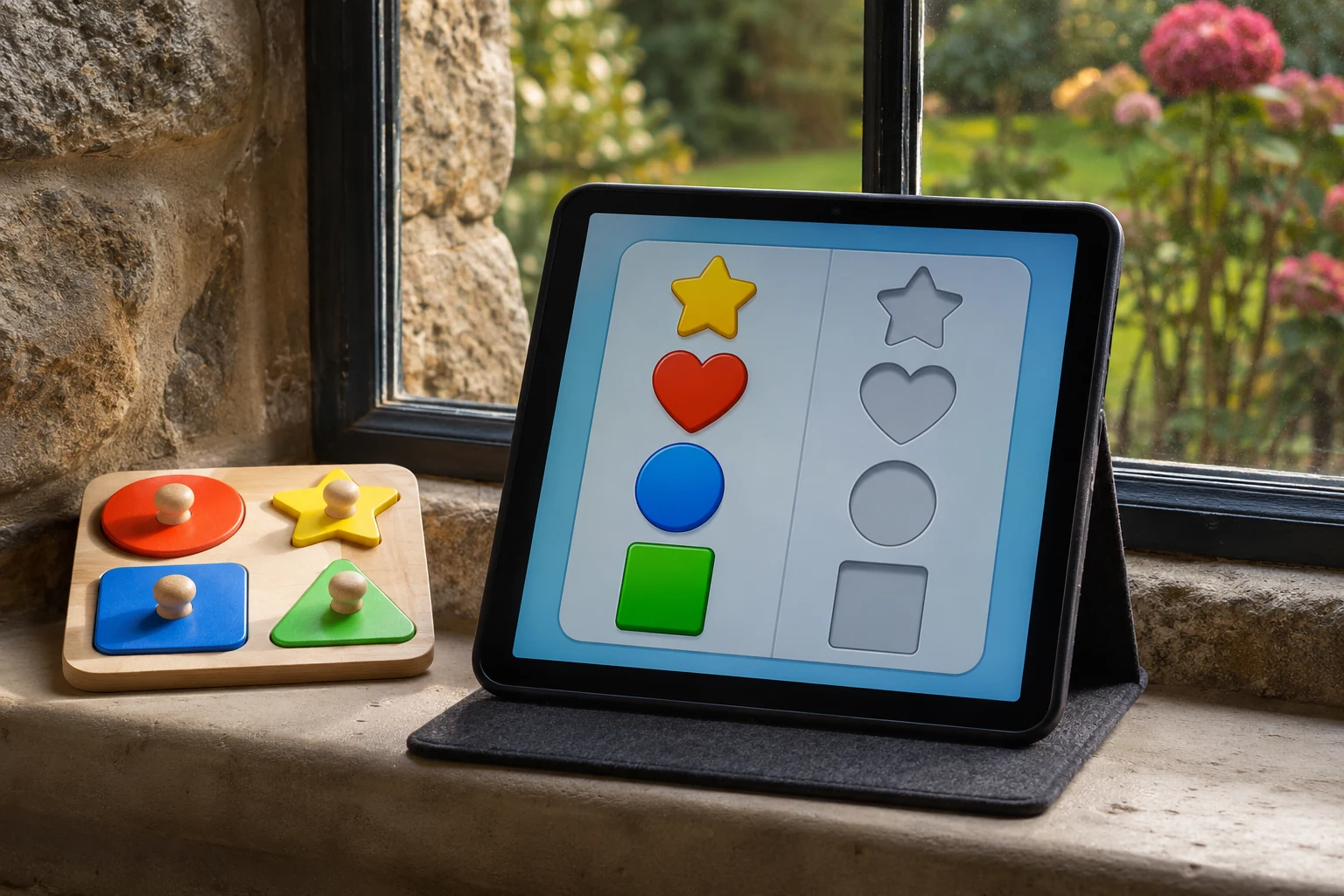
Browser games on services such as Poki, CrazyGames and Arkadium offer an immediate way to try many puzzle styles without installing an app. They generally need an internet connection to load and may display advertising. Mobile games on Android and iOS favour touch controls, portrait play and short interruptions. A tablet can give jigsaws, nonograms and hidden-object scenes more room. PC and console puzzles can support longer exploration, detailed interfaces and controller or keyboard input.
Device compatibility is separate from playability. Check the screen size, whether a game supports mouse, keyboard, controller or touchscreen input, and how it saves progress. An app labelled offline may still need an initial download, an account sign-in or a connection for particular events. Testing a completed level in flight mode is more informative than assuming the entire game works without data.
Visual accessibility matters too. Colour-only clues can be frustrating for people with colour-vision differences; patterns, labels and high-contrast settings help distinguish pieces. Small text, rapid animations, sound-dependent clues and precise dragging can make an otherwise simple game difficult to use. One-handed controls, adjustable text, subtitles and a pause option are practical filters, not minor extras.
What New Zealand players and whānau should check
The New Zealand Classification Office distinguishes officially restricted games from unrestricted titles and notes that mobile app stores do not currently display official New Zealand classification labels. A platform's age rating should not be mistaken for a New Zealand legal classification. For children, the gameplay, chat functions, advertising and purchase options deserve attention alongside the age label.
Parents and whānau can use device-level purchase approval and content controls. Apple's New Zealand parental-control guidance explains options for managing downloads, purchases and access on supported devices. Randomised paid rewards, where present, warrant a closer look; they are not a defining feature of puzzle games.
Game availability, prices and store descriptions can differ by region. A New Zealand store listing is a better reference than an overseas ranking when checking an individual title.
Questions players ask about puzzle and casual games
Are all puzzle games casual?
No. A puzzle can require long uninterrupted sessions, complex controls or substantial experimentation. The Puzzle label describes the central challenge; Casual describes how approachable the experience is.
Can casual games have difficult levels?
Yes. Rules can take seconds to learn while harder boards require planning, memory or precise timing. Difficulty, accessibility and session length are separate qualities.
Do puzzle games have to be single-player?
No. Word duels, shared challenges, competitive matching and co-operative puzzle adventures allow social play. The important distinction is whether partners act together, take turns or compete through online scores.
Do puzzle games improve memory or intelligence?
They give players practice in the tasks involved in each game, including visual scanning, deduction, recall and pattern recognition. A claim that playing a particular app produces lasting, general improvements in intelligence needs evidence beyond its genre label or marketing description.