In Aotearoa New Zealand, watching someone play can be as social as playing yourself. A ranked match becomes a running conversation; a Minecraft build attracts suggestions from chat; a familiar streamer gives regulars somewhere to meet.
Are you there to watch games, share your own gameplay, follow esports or build a community? Kiwi schedules, local esports and Māori-led events help determine which platform fits.
What is gaming streaming?
Game streaming sends live gameplay and commentary from a PC, console or mobile device to viewers over the internet. People in live chat can respond as the action unfolds: ask why a player took a route, suggest a challenge or react to a last-second win. A recorded walkthrough cannot offer the same immediate exchange.
A VOD is a saved broadcast; a clip captures one moment. A raid redirects viewers to another creator, and emotes give a chat its own visual shorthand. A watch party gathers people around an event. Co-streaming or rebroadcasting an esports match still requires the relevant organiser's permission.
Esports is only one viewing habit. Casual playthroughs, speedruns, Minecraft builds, role-play servers, gaming news and charity streams suit viewers who prefer conversation or discovery over ranked results. A smaller host who remembers regulars can be a better fit than a famous competitor.
Why streaming matters to gaming culture in New Zealand
A New Zealand viewer can join an overseas stream in seconds, yet a local channel may feel different: familiar humour, school calendars and a timetable that fits an evening in Aotearoa. Those online friendships can lead to gaming clubs, tournaments or meeting fellow players at an event.
New Zealand Plays 2025 covers gaming across households and age groups; NZ Esports' 2025 survey describes a social competitive community. Women made up 29% of the esports survey respondents, not 29% of all New Zealand gamers or streamers.
Local identity can be the reason people tune in
Rotorua's Daytona Taputu, better known as Broxh, brought whakairo (Māori carving) to Twitch viewers around the world. His broadcasts mixed craft, humour and conversation; he has also streamed games and shared clips beyond Twitch.
At Te Ahi Orokohanga in Rotorua in 2024, students from 16 kura worked on collaborative Minecraft builds. Twitch carried the competition entirely in te reo Māori. Ngā Kura ā Iwi o Aotearoa, Digital Natives Academy and Te Papatipu Matihiko were among the supporting groups. For the participating whānau and rangatahi, the livestream connected language and digital creativity with a shared event.
Creators and communities are more diverse than the stereotypes
Karvey, a New Zealand Twitch streamer, spoke in 2023 about making a full-time career from broadcasts that began with Fortnite and expanded into shooters, horror games and chat. She also described sexist harassment. Ellie Harwood, linked to Viva La Dirt League and the Extremely Casual Gamers podcast, has advocated more space for women at local gaming events.
Which streaming platform is best for gaming?
| Platform | Strongest fit | Trade-off to consider |
|---|---|---|
| Twitch | Live gaming, category browsing, chat-led communities, raids, esports and Drops | Discovery can be difficult in crowded game categories; replays are not stored forever by default |
| YouTube Live | Creators combining livestreams with searchable videos, tutorials, Shorts and archived events | Live discovery works differently from a Twitch-style category directory; mobile streaming has eligibility conditions |
| Kick | Live-first creators comparing subscription revenue arrangements and platform communities | A generous advertised revenue split is not a substitute for an audience, safety tools or reliable discovery |
| TikTok LIVE | Short-form creators whose followers already discover gaming personalities through vertical video | Live access and monetisation features are subject to eligibility and regional rules |
| Discord Go Live | Sharing gameplay with an existing server, team or group of friends | Designed for invited communities rather than public search and broad audience growth |
A public game directory offers little to friends who want private coaching; an invitation-only Discord stream will not help strangers discover a new creator. Twitch, YouTube Live, Kick and TikTok LIVE each set their own access and monetisation rules; check the current conditions.
What games and streams are people watching?
League of Legends and Dota 2 reward tactical discussion; Counter-Strike 2 and VALORANT put reactions and teamwork under pressure. Overwatch has constant team fights. Fortnite mixes competition with creator challenges, Rocket League offers short, readable matches, and Grand Theft Auto V role-play plays out like an improvised serial.
Minecraft invites viewers into building projects; Call of Duty mixes action with team chatter. Horror titles such as Dead by Daylight and Phasmophobia are built for shared suspense. Indie releases offer discovery rather than an established esports circuit. New Zealand-developed DREDGE and Path of Exile give local creators an opening to discuss the country's game-development scene.
2026 State of Gaming lists League of Legends, Fortnite and Overwatch as Twitch's leading game categories in the combined Australia and New Zealand region for January–September 2026. Twitch did not give New Zealand a separate ranking. The same report described global interest in indie-tagged streams and broadcasts linked to rewards.
A viewing chart measures watching, not what people play. A major final or a well-known creator can inflate the hours watched for one game without changing the number of local players.
How to find Kiwi streamers and gaming communities
Start a search with the game rather than a celebrity name. To locate Kiwi streamers, check their country, live schedule, language and chat rules. A room of 30 familiar viewers may offer more conversation than a channel where thousands are watching silently.
The NZ Esports Community Directory includes NZ Tekken, Kiwi Sim Racing, CS2 OCE and local Call of Duty groups, many coordinated through Discord. School competitions, the NZ Secondary School Esports League and Spark Game Arena Live connect streams with events. Tournament organiser LetsPlay.Live also belongs to this local esports network.
Time zones deserve a look before following a schedule. An 8 pm London stream may land in a New Zealand morning. NZST (UTC+12) applies during standard time; NZDT (UTC+13) runs through daylight saving, from late September to early April.
How to start streaming games from New Zealand
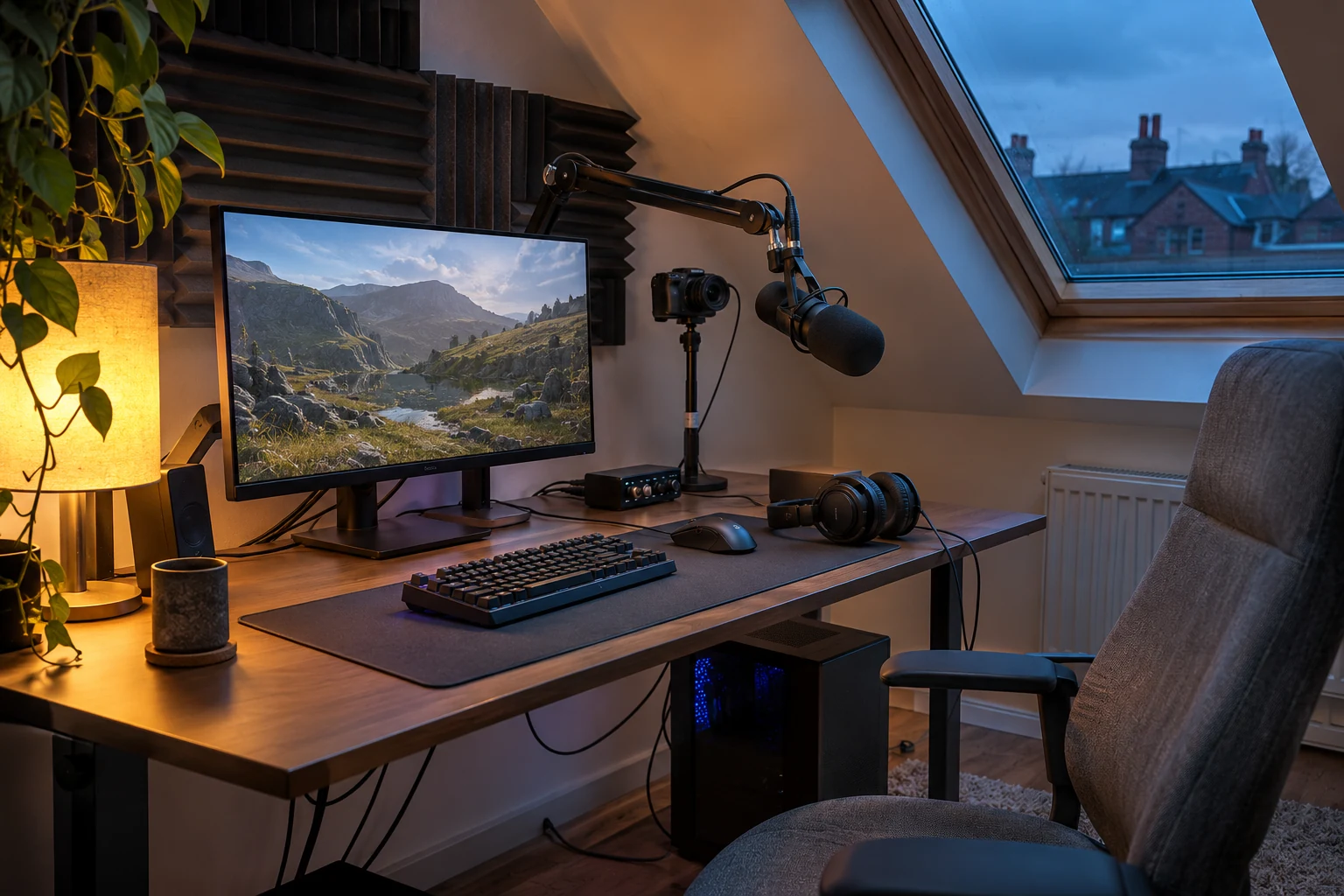
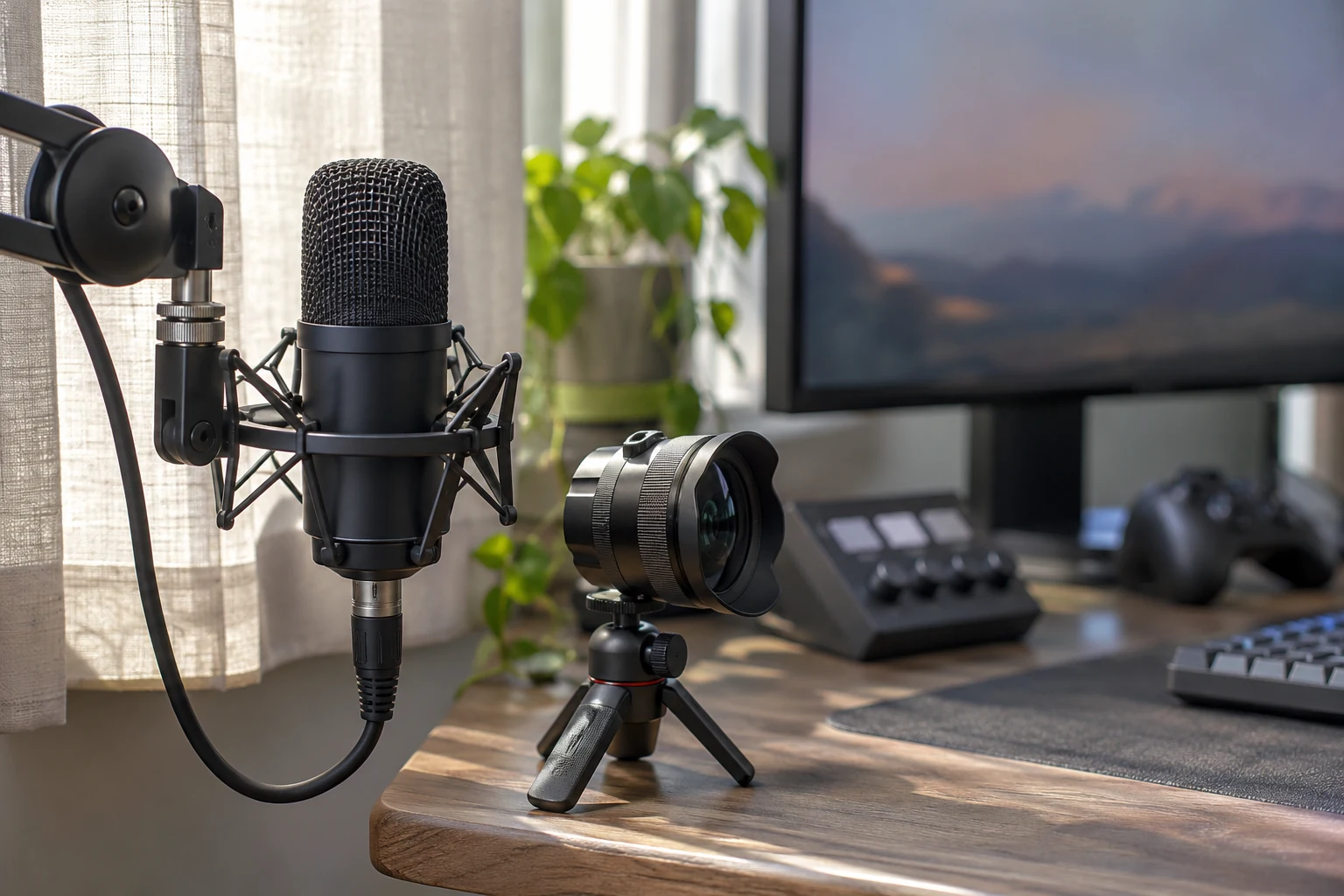
Starting a game stream takes a reliable game, stable upload speed and software or a console feature that sends video and sound. A microphone is worthwhile if the host plans to talk; a webcam is optional. Expensive RGB lighting will not rescue distorted speech or a stream that keeps buffering.
Capture the game, not your private information
On a PC, OBS Studio is a free broadcasting tool. A scene controls the visible layout; sources add Game Capture, Display Capture, audio, a webcam, alerts or a browser overlay. OBS's Auto-Configuration Wizard can suggest initial settings. Streamlabs offers another workflow. Compatible consoles also support direct broadcasts; an external capture card helps send console gameplay through a PC.
Game Capture generally reveals less than capturing the entire desktop. Display Capture may expose Discord messages, email alerts, account names or open tabs. Disable pop-up notifications, separate personal accounts where feasible and check a private test recording before going live.
Upload speed, bitrate and latency
Download speed matters to viewers; upload speed matters to broadcasters. Bitrate measures how much data a stream sends each second. Twitch gives an example of a 6 Mbps broadcast needing roughly 8 Mbps of upload capacity for headroom. It is a planning example, not a universal requirement. Shared household traffic, Wi-Fi interference and evening congestion can all affect stability.
Fibre is a useful option where New Zealand households have access, but stable wireless can work too. Rural streamers need an upload test during their planned broadcast hours; a provider's advertised maximum tells little about evening congestion. Consistent 720p at 30 frames per second is preferable to a stuttering 1080p feed. A game running smoothly on the PC can still reach viewers with dropped frames or audio out of sync.
Latency is the gap between an in-game action and the viewer seeing it. Lower latency helps when the host responds to chat, but smaller playback buffers leave less room for network hiccups. A tournament feed with little audience interaction may be better off prioritising continuity.
Make the first broadcast understandable
Audio comes first. Viewers need to hear speech above the game, follow what is on screen and know when the host is answering chat. Keep the scene simple, set microphone levels, name the stream clearly and select the right game category. Headphones reduce feedback. A short recording checked on both phone and computer will reveal tiny text, clipping audio or buffering before a public broadcast.
What makes a gaming stream feel like a community?
A host may explain tricky mechanics, run a weekly building challenge or recognise familiar names in chat. Questions, emotes, community polls and channel points give viewers a way to participate. Raids introduce neighbouring communities; Discord can keep a group together between live sessions.
A predictable schedule helps without demanding a nightly stream. Viewers know when to meet, and creators keep time for work, study and sleep. Chat can shape the mood without controlling every choice. Boundaries matter when regular viewers start treating a familiar broadcaster as a close personal friend.
Spell out rules for slurs, harassment, spoilers and personal information. Twitch offers AutoMod, timeouts and bans; moderators can also handle backseat gaming, self-promotion and attempts to move conversations into private messages. Consistent enforcement makes a chat easier to join.
Can New Zealand streamers make money?
Advertising, subscriptions, gifted subscriptions, tips, sponsorships, affiliate links, editing, coaching and merchandise can all bring money into a channel. None guarantees a salary. Preparing streams, editing clips and moderating viewers take hours that may not be paid for.
Twitch's Affiliate programme sets requirements for followers, broadcast hours, active days and audience size. Kick advertises a 95/5 creator share for eligible subscription and KICKs revenue. Neither threshold nor revenue split tells you whether enough people will pay. Factor in payout minimums, currency conversion, fees and access to payment services before treating view counts as income.
Inland Revenue's guidance for digital content creators covers gaming and livestreaming in New Zealand. Platform payments, sponsorships and certain gifts or donations may be taxable. Calling money a donation does not settle its tax treatment. Keep records of earnings, related expenses and promotional benefits; seek qualified tax advice for substantial or complex income.
Subscriptions, Twitch Bits, gifted subs and promotional rewards can support a creator, but paying should not be the price of joining the conversation. Broxh became known partly for telling viewers they could enjoy his streams without donating.
Safety, copyright and the risks behind the screen
A live desktop can reveal a home address, school uniform, private message or vehicle registration before anyone notices. Doxxing means exposing identifying private information. Stream sniping uses a broadcast to interfere with someone else's game. Screen-selection controls, sensible delays and account privacy settings reduce different risks; none makes sharing personal details safe.
Trusted moderators, chat filters, incident records, reporting tools and limits on off-platform contact offer practical protection. New Zealand's Netsafe provides guidance for managing communities.
Game footage does not include a blanket licence for background music, movie scenes or sports coverage. YouTube checks live video for third-party material, and copyright matches may interrupt a broadcast. In-game soundtracks, reaction clips and esports co-streaming each raise different permission questions. Adding commentary does not automatically authorise use of protected work.
A sponsor-funded review is not the same as a spontaneous recommendation. Free skins, discounts and affiliate links should be disclosed when they influence a creator's coverage. Fair play matters too: cheats, account sharing and unauthorised tournament rebroadcasting can harm a channel's credibility and the competition around it.
Streaming, children and whānau
A child watching a family-friendly game may still hear adult language, see unpredictable chat or face prompts to spend money. New Zealand's Classification Office advises parents and caregivers to consider the streamer and community, not only the game's age rating. Twitch's minimum sign-up age is 13; individual broadcasts may still be unsuitable for teenagers.
Netsafe flags livestreaming, private messaging, voice chat, trading and gift-giving as gaming features to discuss with younger players. Privacy controls, limits on direct contact and agreed spending rules help. Schools, addresses, phone numbers and banking information do not belong in a public chat. Blocking and reporting matter when another user crosses a boundary.
Gaming communities can also give young people genuine companionship. A school esports side, a welcoming chat or a shared Minecraft build offers a place to belong. Adults are better placed to support that experience when they know who a child plays with and which moderation tools are available.
How viewers and creators can judge a stream
View counts alone say little about whether a broadcast is worth watching. Can you understand the gameplay? Does the host respect chat? Are harassment and spoilers dealt with? Will the schedule work in New Zealand? Is financial support genuinely optional?
For creators, average concurrent viewers measures the audience at a typical moment; returning viewers indicates who comes back. Chat activity is useful, though some viewers prefer to stay quiet. Dropped frames, buffering and audio problems show delivery faults. Clips and VOD views reveal whether a stream remains useful after the live session ends.
A private Discord game night works if friends can communicate easily. A tutorial helps when beginners understand the mechanic. A tournament broadcast needs reliable coverage and accurate commentary. A creator seeking steady income needs returning supporters and controlled costs, not simply one viral clip.
The direction of gaming streaming in Aotearoa
A clip can introduce a creator long before a viewer joins a full broadcast. Replays, Discord servers and local events keep that connection going between streams. Twitch Drops add eligible in-game rewards for watching participating broadcasts, but each campaign has its own rules and account-linking requirements.